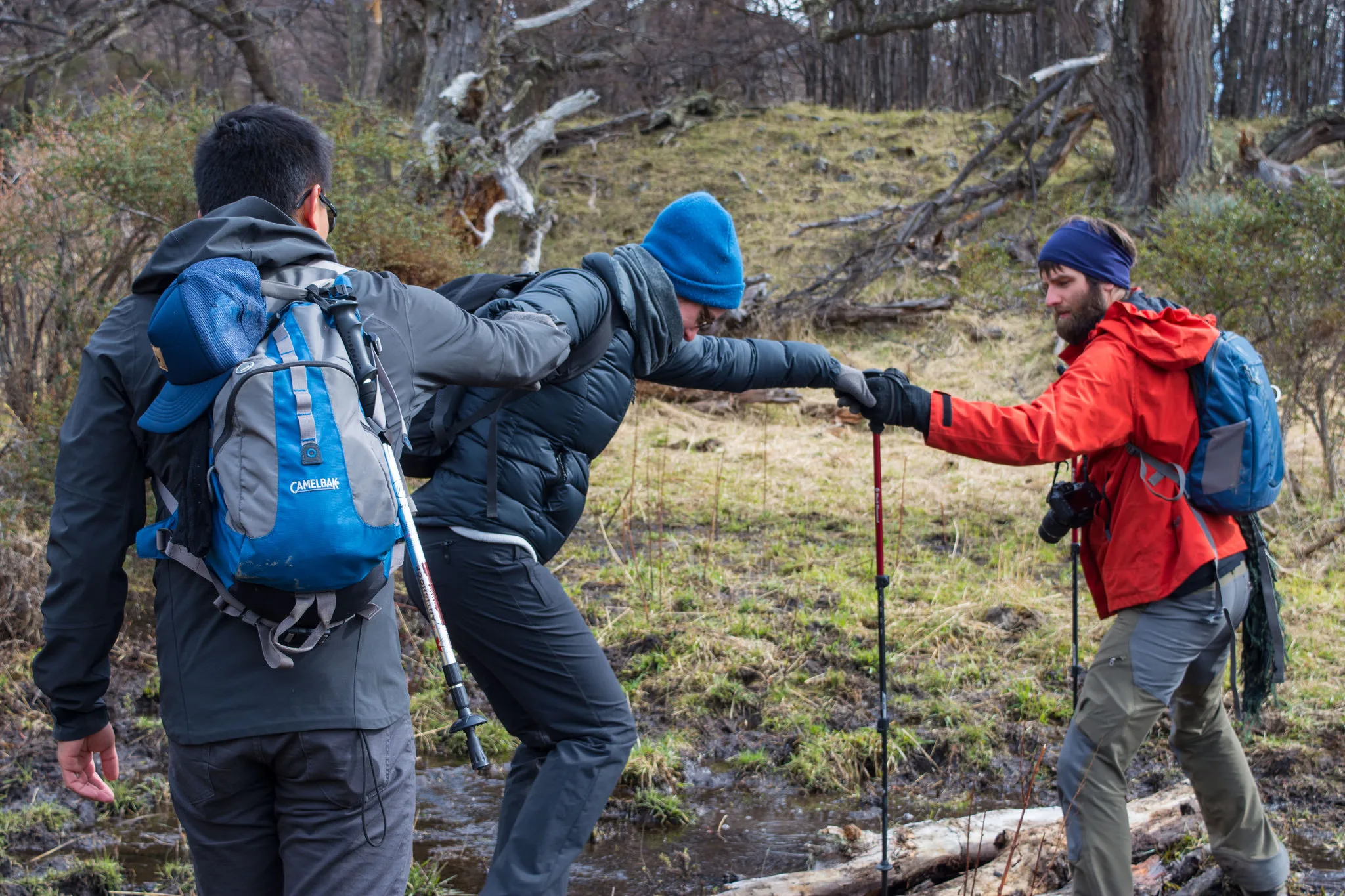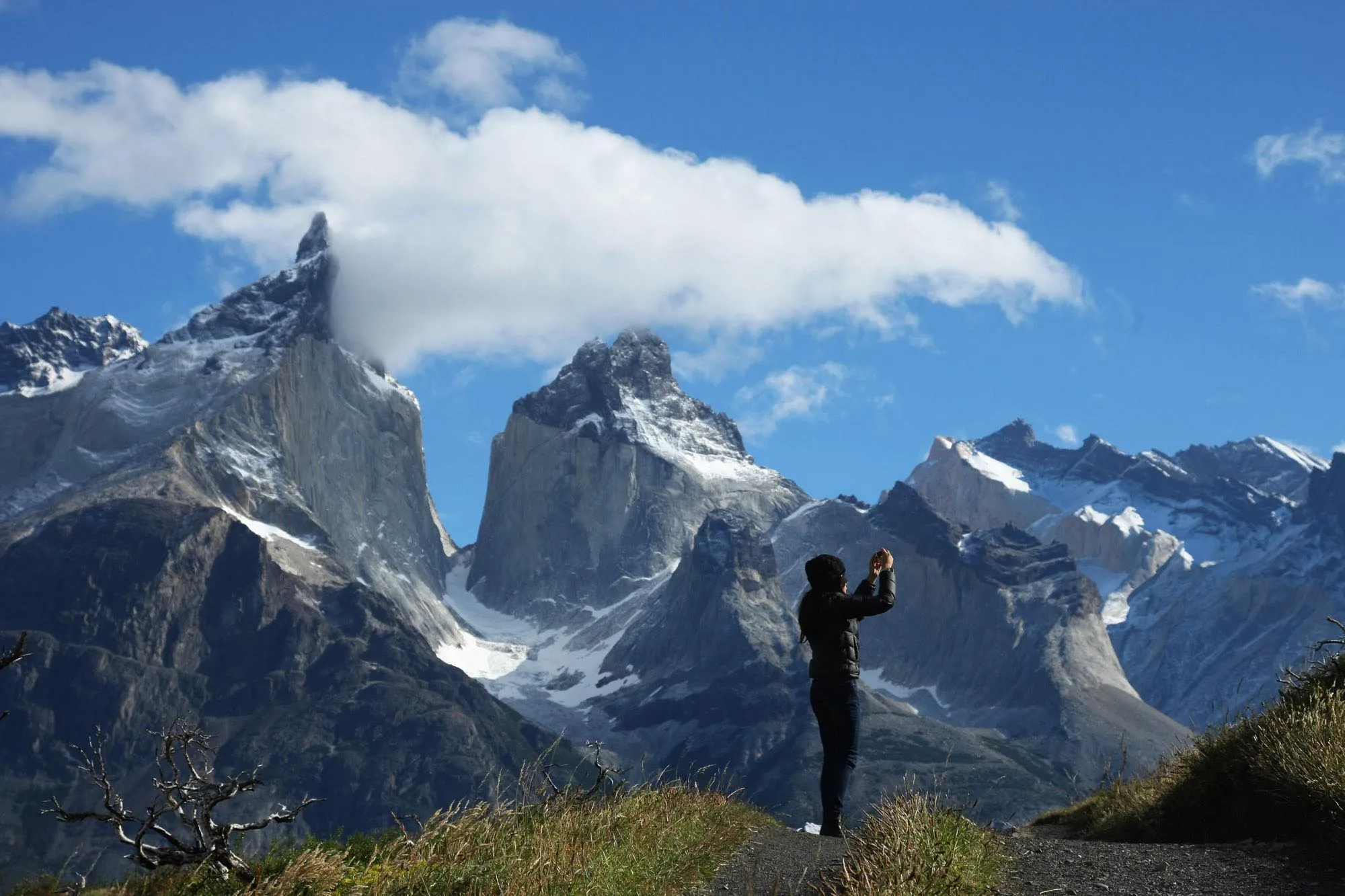
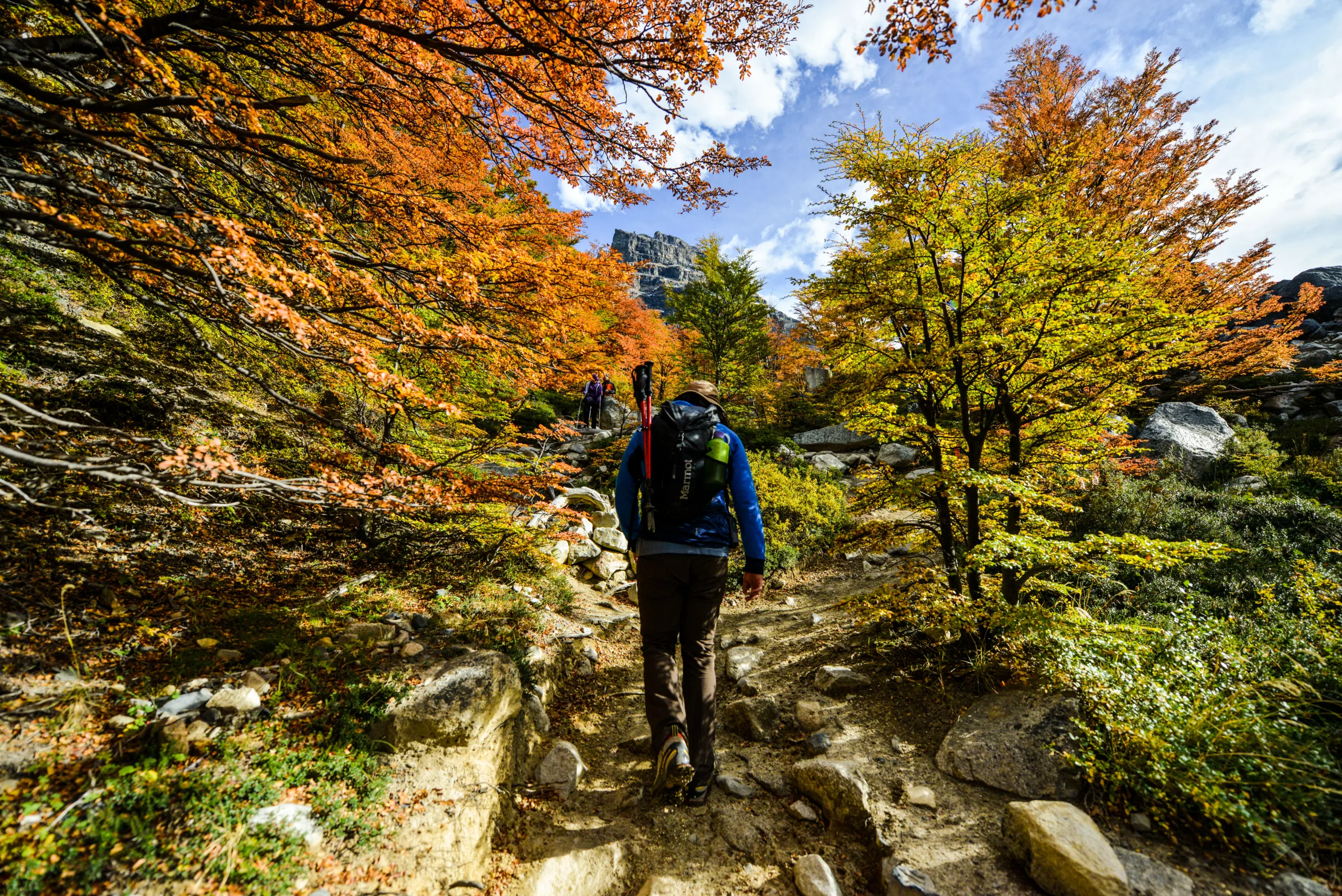
Torres del Paine is on almost every Patagonia list, and most travelers arrive with the same question: should I walk the W, take on the O Circuit, or stay with day hikes? The W trek vs O circuit debate is often framed as a matter of ambition. In practice it comes down to time, fitness, mountain experience, comfort and budget. In this guide we explain what each option asks of you, why day hikes from Puerto Natales are a valid choice, and what the wider region offers beyond the park’s famous trails, so you can choose a route that fits the traveler you are.
From our travel designers: “You don’t need to do the W to get to know Torres del Paine. There is much more than what is inside Torres del Paine. What we look for is to understand a little of what the person wants, and to offer options that fit their budget.”
Start with what you want, not with the trail name
The names W and O carry weight, so many travelers pick one before asking what they want from the park. We work the other way around. Our starting point is to understand what the person is looking for, then propose the best experience we can within their budget, even if that means improving the whole route and not only the days in the park.
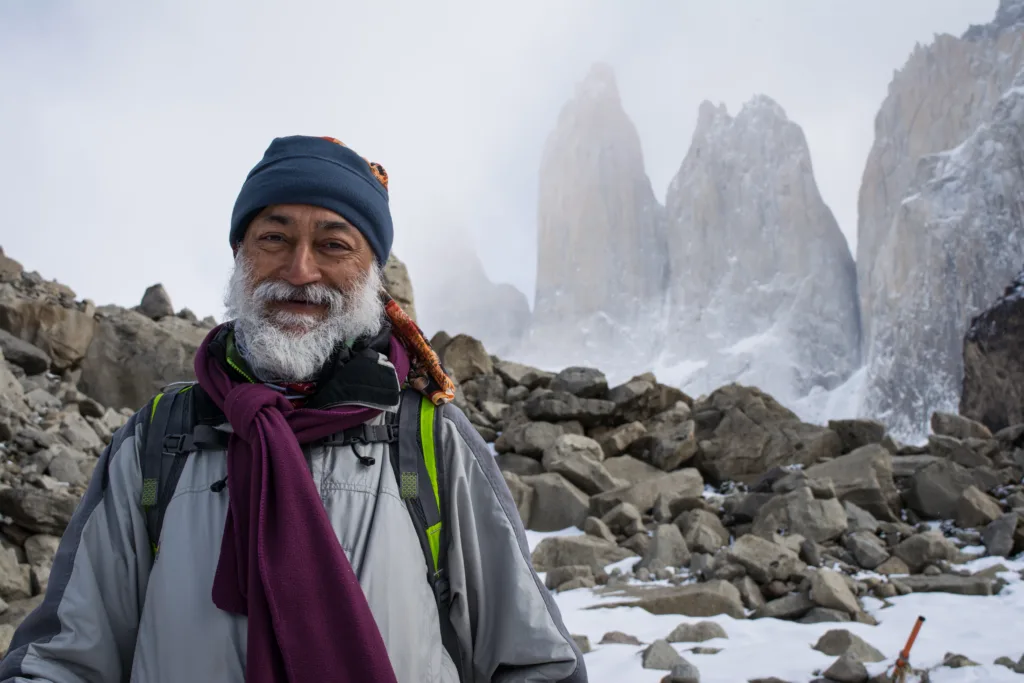
Before choosing, we suggest answering these questions honestly:
- How many days can you give to the park and the surrounding region?
- How is your physical condition, and how much have you prepared?
- Have you walked several days in a row, camped or slept in mountain refuges before?
- What do you most want to see: landscapes, wildlife, glaciers, food, local culture?
- Do you prefer private or shared excursions?
- Do you want a relaxed pace or a sporting challenge?
- What budget are you working with?
The answers usually point clearly to one of three paths: the W, the O Circuit, or day trips from a base town. None of them is the serious choice and the others the lesser ones. They are different trips.
W trek vs O circuit: what each one asks of you
The W trek: a multi-day walk for a well-prepared traveler
The W is a multi-day crossing that connects some of the park’s most emblematic landscapes, including the granite towers and the Grey Glacier area. We describe it as a walk of roughly four or five days, with shorter versions available. [VERIFY: current durations, refuge and campsite booking rules, access conditions and trail status according to official park sources and local operators.]
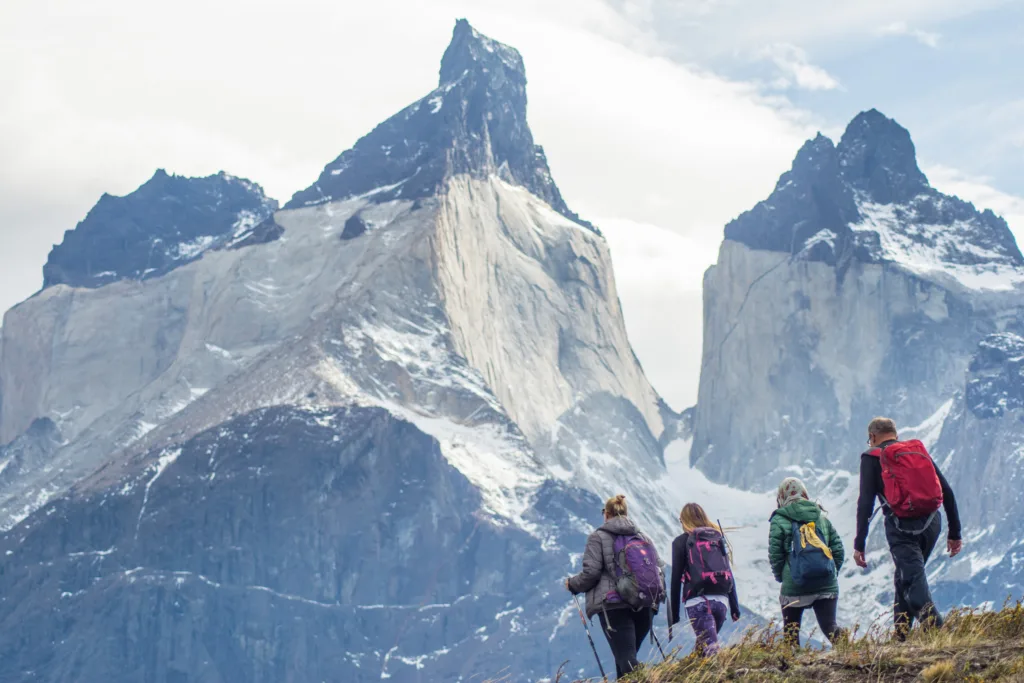
It requires physical condition and real preparation. Days on the trail are long, and Patagonian weather can change several times in a single day. For someone who is well prepared, the W can be a good first multi-day trek. For someone who is not, it can turn a long-awaited trip into a long week.
The O Circuit: longer, more demanding, for experienced walkers
The O is the more complete circuit and the bigger challenge. Fitness is only part of the equation. We advise previous experience walking several days in a row, and sleeping in refuges or camping. Being an athlete does not replace knowing what that routine is like day after day, with changing weather and little room for improvisation.
That is why our view is blunt: for an athlete without that background, the W is already enough. Wanting the longer circuit is understandable, but a good trip is one that matches the traveler, not the one with the most impressive name.
For travelers who do have that experience, we have designed a 13-day Torres del Paine O Circuit itinerary with the Perito Moreno Glacier, which combines the circuit with the Argentine side of Patagonia.
Day hikes from Puerto Natales: a valid way to know the park
Many travelers assume that seeing Torres del Paine means committing to a trek and sleeping inside the park. It does not. If you want the landscapes without a multi-day crossing, you can stay in Puerto Natales and visit the park on day trips.
This option has clear advantages. You sleep in a town with restaurants and a growing food scene, you can mix park days with other activities, and you can adjust the plan to the weather and to how your body feels. The trade-off is that you spend part of each day traveling to and from the park, so we take transfers into account when we plan.
Day hikes are not automatically easy. Some are demanding, so the choice of route should match your physical condition. A good plan picks the right walk for each day, not the longest one available.
There is more to Patagonia than the park
One of the mistakes we see most is assuming that every walk, wildlife sighting or glacier visit has to happen inside Torres del Paine. The region is wider than its famous trails, and a good itinerary uses that.
Around Puerto Natales, travelers can consider:
- Cueva del Milodón: a large cave outside the national park, associated with Pleistocene-era fauna.
- Puma tracking: responsible wildlife watching in authorized areas. We never promise sightings, because wild animals decide for themselves.
- Other glaciers: excursions exist to glaciers beyond the Grey, outside the park. We confirm the options, access and season for each trip. [VERIFY: which glacier excursions outside the park operate, and when.]
- Walks near Puerto Natales: shorter outings in the surroundings of town, useful for rest days or for travelers who prefer a gentler pace.
Your route to Patagonia can also be part of the trip. If you are flying from Santiago to Punta Arenas, one idea we would explore is a stop in Puerto Varas, in the Lakes region, to walk among volcanoes and a very different kind of vegetation before heading south. This is a proposal to evaluate, not a confirmed itinerary. [VERIFY: feasibility of a Puerto Varas stop in a specific trip.] You can read more about the Lakes and Volcanoes region of Chile, and about how we think about Chilean and Argentine Patagonia when building a longer route.
Timing, weather and what to book first
The Southern Hemisphere summer, roughly December to February, is the most comfortable season for walking, but it does not guarantee good weather. Spring and autumn can bring conditions that demand more preparation than summer does, especially for multi-day routes. If you are considering the shoulder seasons for a trek, be more conservative about the route you choose.
Booking is where many plans go wrong. Reserving too late is one of the mistakes we see most often, and it narrows your options on exactly the experiences that are limited. [VERIFY: how far in advance refuges, campsites and park access need to be reserved, per official sources.] If you are traveling in peak summer, our article on what to book now for Patagonia in January and February covers the planning side in more detail.
The mistakes we see most often are these:
- Trying to cover too much in too little time.
- Underestimating the weather, the physical demands or the experience needed for the O.
- Booking late, or choosing a trek that does not match the traveler’s profile.
- Assuming every hike, wildlife sighting or glacier visit must happen inside Torres del Paine.
For the wider picture of how Torres del Paine fits into a longer journey, see our guide to planning a tailor-made Patagonia journey across Chile and Argentina, or our 11-day Patagonia itinerary for Chile and Argentina with self-drive on the Chilean side.
A note on our own limits: we are not technical mountain specialists. For route details such as exact distances, difficulty and trail conditions, we work with specialized local operators and official sources, and we recommend you do the same.
Frequently asked questions
Do I need to hike the W to experience Torres del Paine?
No. You can visit the park on day trips from Puerto Natales and still see its landscapes. The W is one way to know the park, not the only way.
Is the O Circuit much harder than the W?
It is a more complete circuit and a bigger challenge. Beyond fitness, we advise previous experience walking several days, and camping or sleeping in refuges. If you do not have it, we think the W is already enough.
Can I use Puerto Natales as a base?
Yes. Puerto Natales works well for day excursions, food and other attractions in the area, as long as you plan for the transfers to the park.
Is summer the only good time to go?
Summer is the more forgiving season, though it does not guarantee good weather. Spring and autumn can demand more preparation, so we suggest a more cautious choice of route in those months.
Can I see pumas and glaciers outside the park?
Responsible puma tracking takes place in authorized areas, and there are glacier excursions outside the park. We confirm what is available for each trip and never guarantee wildlife sightings.
Planning your own route
If you’re mapping out a Patagonia trip and want a second opinion on timing or routing, we’re happy to help you think it through.