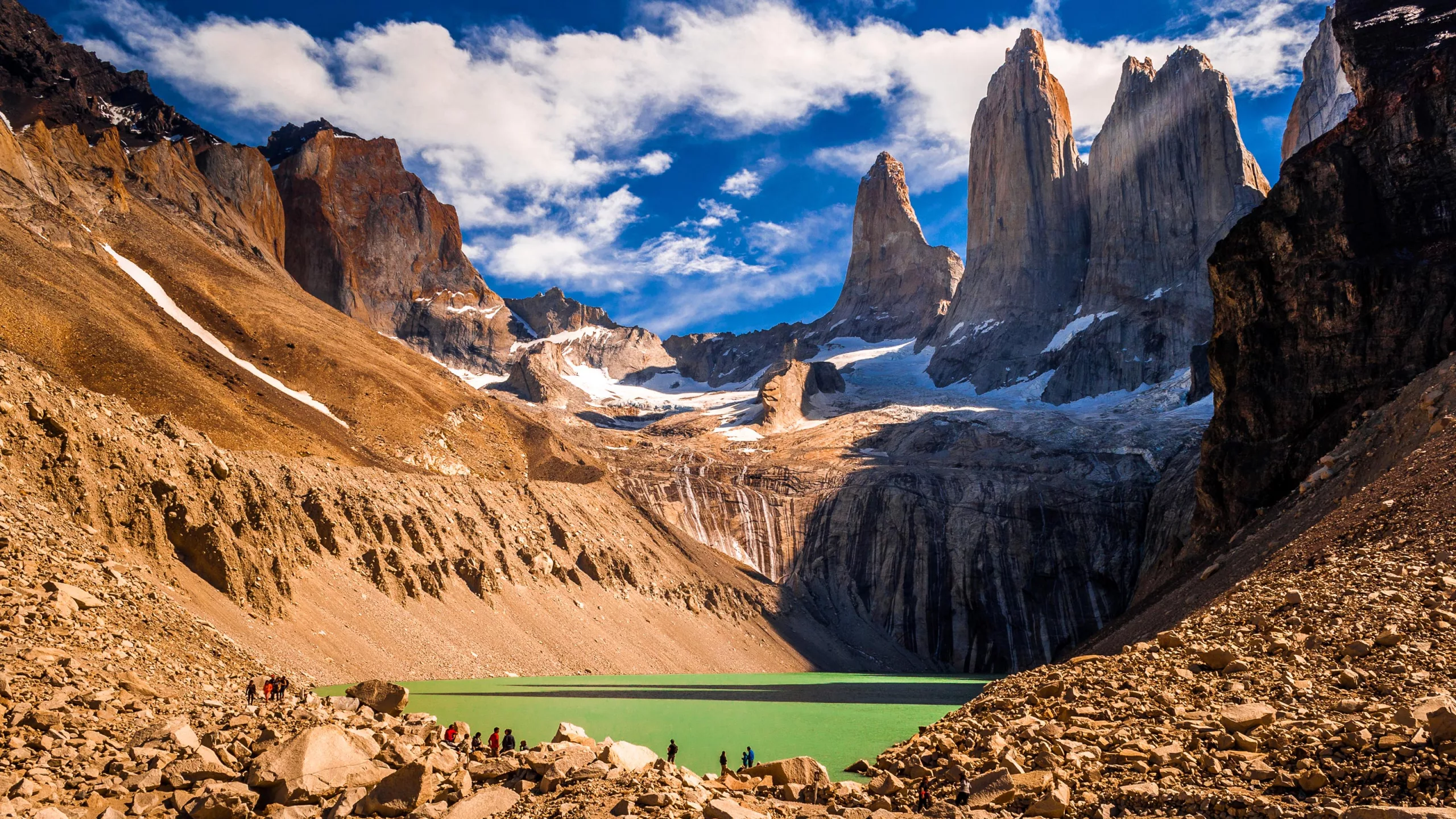
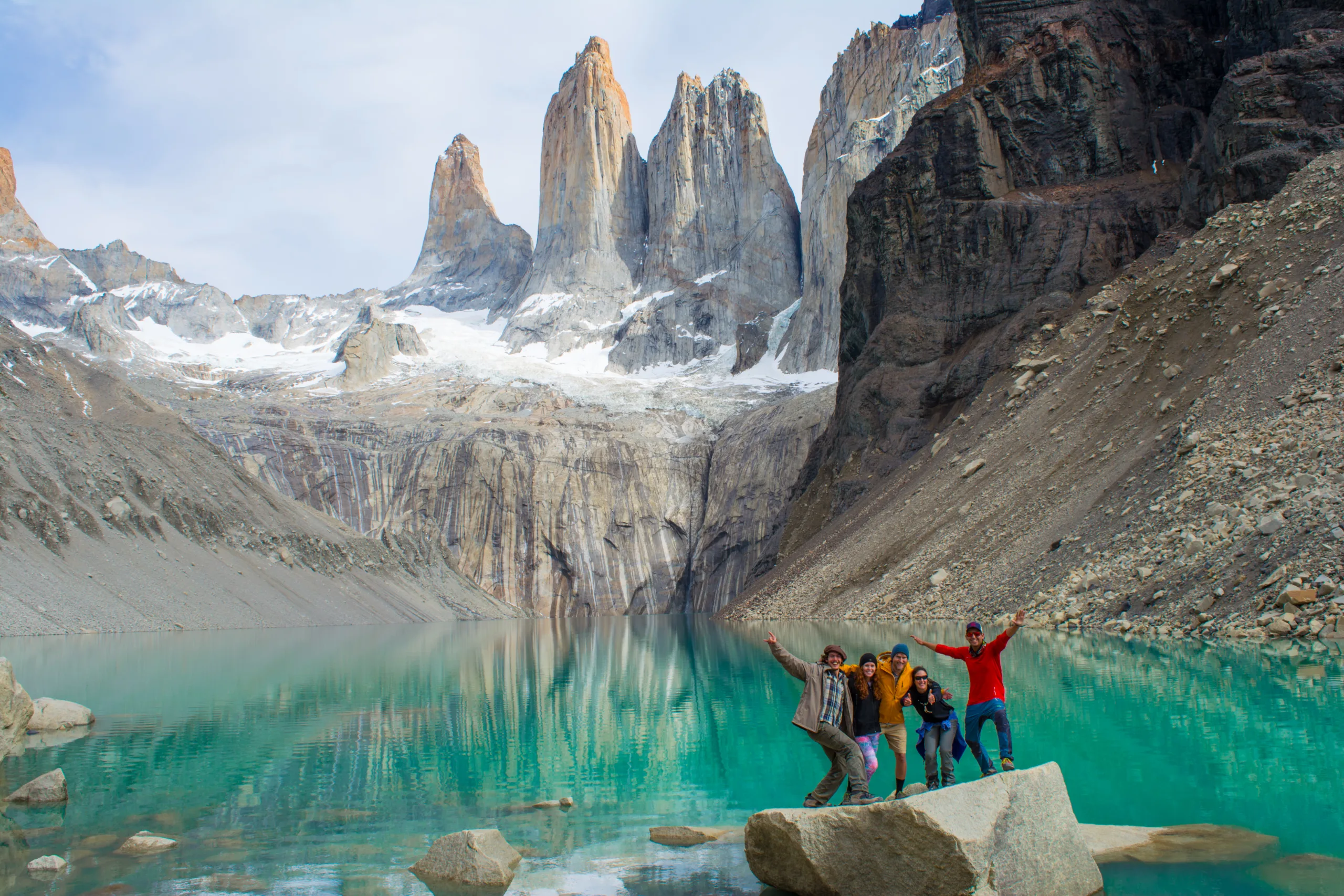
Patagonia in January is among the most comfortable times to walk: longer days, milder weather and the widest choice of routes. It is also when everyone else wants to be there. If you are reading this in October with a January or February trip in mind, you are later than we would like, but you are not out of options. This article explains what to secure first, what often still has room, and how to adjust your route when the best-known places are full. Patagonia in February follows the same logic, so everything here applies to both months.
From our travel designers: “January and February are quite pleasant. They are the best times of year for weather. And with little notice, you can still improvise a trip on the Carretera Austral and in places that are not as famous or popular.”
Why January and February are so busy
The weather is the first reason. Days are long and conditions are generally the most agreeable of the year, which is why December to February concentrates the largest number of visitors in Torres del Paine.

The second reason is who is traveling. January and February coincide with school holidays, so you share the trails and towns with many domestic and Latin American travelers as well as international visitors. Demand is high for the same places at the same time.
That does not make these months a poor choice. It means they reward planning. If your dates are flexible, we often find spring and autumn more beautiful, because of the colors. If your dates are fixed by work or school, January and February are an excellent choice as long as the booking order is right.
What to book first: the W refuges and campsites
The most critical item is accommodation on the W trek in Torres del Paine. Refuges and campsites have limited capacity, and official tourism information recommends booking six months or more ahead. That matches our own advice: for January and February, start organizing in June or July.
From October, a January departure is about three months away, so you are already inside that window. Our advice is to check the W first, before flights, hotels or anything else. Everything else on the trip can be arranged around whatever the trek allows.
The most common mistake we see is leaving the W for last. A trek of several days depends on a chain of consecutive nights, and one missing night can break the whole sequence.
What can still wait, or still be found
Arriving late does not automatically mean you cannot do Patagonia. It means adapting the trip to the availability that exists. In our experience, with little notice there is often still room in these areas:
- Stays in Puerto Natales. The town is the usual base for Torres del Paine, and we can still look for places to sleep there at shorter notice.
- Some hotels inside Torres del Paine. Availability can appear, although these will probably not be the cheapest or the best options.
- Day tours. Many still have booking possibilities.
- Some glacier visits. These can also remain open, depending on the date.
[VERIFY: current availability of day tours, glacier visits and hotels for the exact dates; it can only be confirmed at the time of booking]. Treat this list as a guide to where to look, not as a promise of space.
If the W is full, change the plan
If the W already has availability problems for your dates, we would rather look for alternatives than force the same itinerary. Believing that a full famous place means no good trip is possible is another mistake we see often.
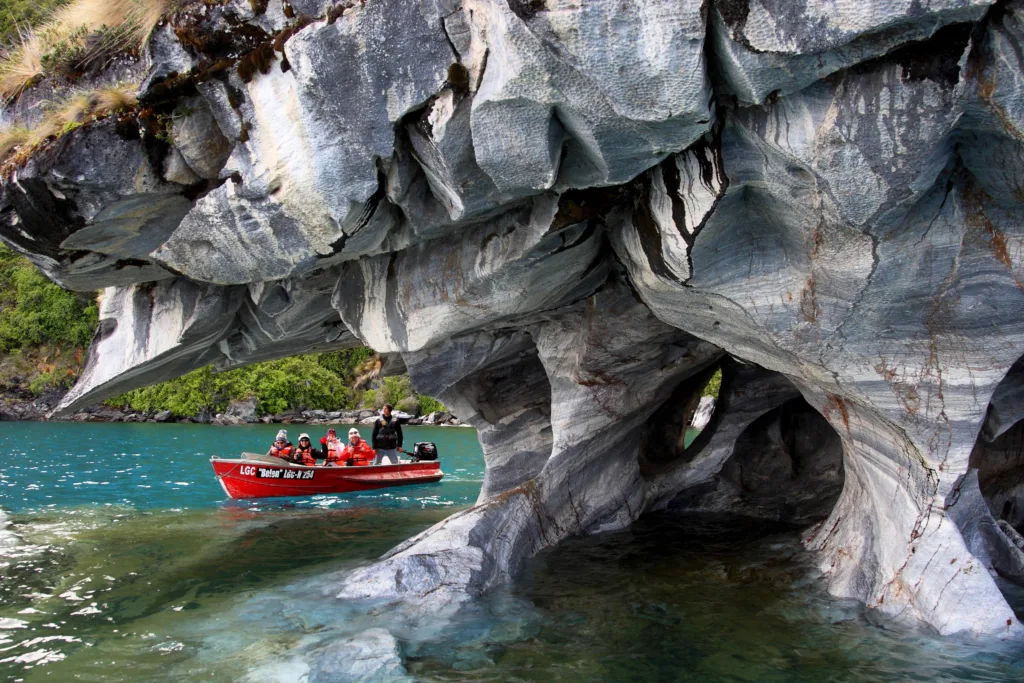
With little notice, you can still improvise a trip along the Carretera Austral and in less famous, less crowded places. These routes ask for a more flexible mindset and a bit more attention to logistics, but they can make for a very good journey.
Two reads can help you decide. Our comparison of Chilean Patagonia and Argentine Patagonia explains how the two sides differ. Our 11-day Patagonia itinerary across Chile and Argentina shows how a route can be built with a self-drive section on the Chilean side. If you want to see how a longer Torres del Paine journey is structured, look at our 13-day O Circuit itinerary with Perito Moreno Glacier.
Prepare for wind and weather, even in summer
Summer does not remove the need to prepare. Patagonian wind and weather can change quickly, and a sunny morning does not guarantee the afternoon.
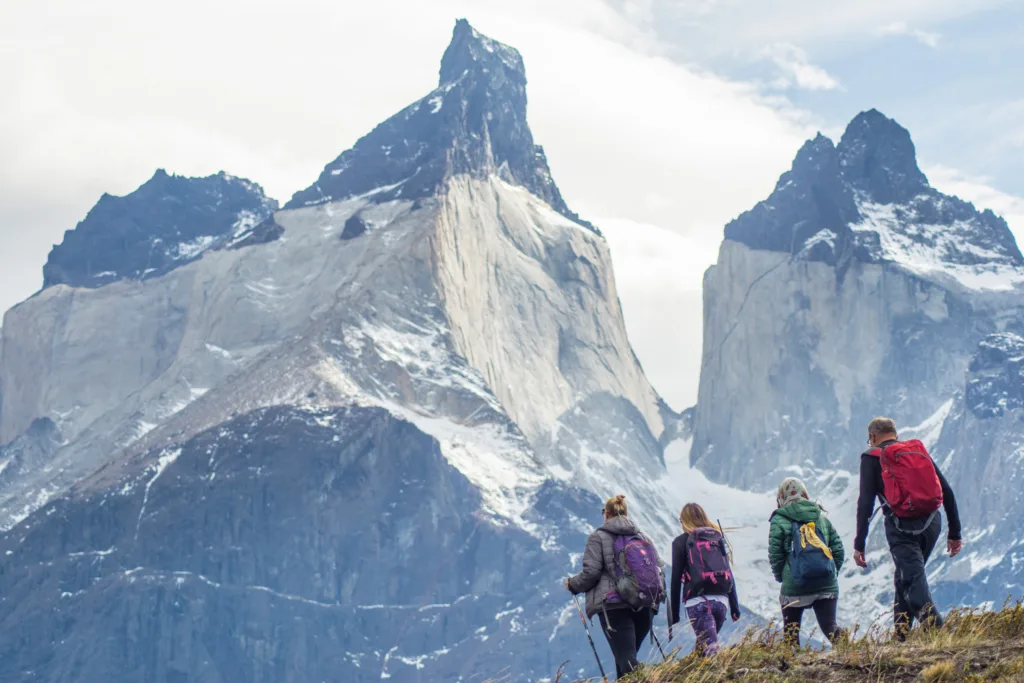
For Torres del Paine, the official recommendation is to dress in layers and carry a waterproof, windproof outer layer. We would add only that you should have it in your day pack, not at the bottom of your luggage.
A simple booking order
- First: W refuges and campsites, if the trek is part of your plan.
- Second: stays in Puerto Natales and, if needed, hotels inside the park.
- Third: day tours and glacier visits.
- Last: the flexible parts, such as Carretera Austral stretches and less-visited places.
For the full planning framework, including how to combine both countries, see our guide to planning a tailor-made Patagonia journey across Chile and Argentina.
Frequently asked questions
How far ahead should I plan Patagonia in January or February?
We recommend starting in June or July. For the W trek, official tourism information suggests booking refuges and campsites six months or more ahead because of their limited capacity.
Is it too late to travel to Patagonia in January if I start in October?
No, but you will need to be flexible. Begin with the W, then adapt the route to the availability that exists, and consider less-demanded destinations if the best-known ones are full.
What are the alternatives if the W is fully booked?
We would look at a different itinerary instead of forcing the same one. The Carretera Austral and other less famous places are easier to organize on short notice.
Are January and February better than spring or autumn?
For weather, they are among the best months. For color, we often find spring and autumn more beautiful, so if your dates are flexible, it is worth considering them.
Planning your own route
If you are mapping out a Patagonia trip and want a second opinion on timing or routing, we are happy to help you think it through. You can also contact our team directly.