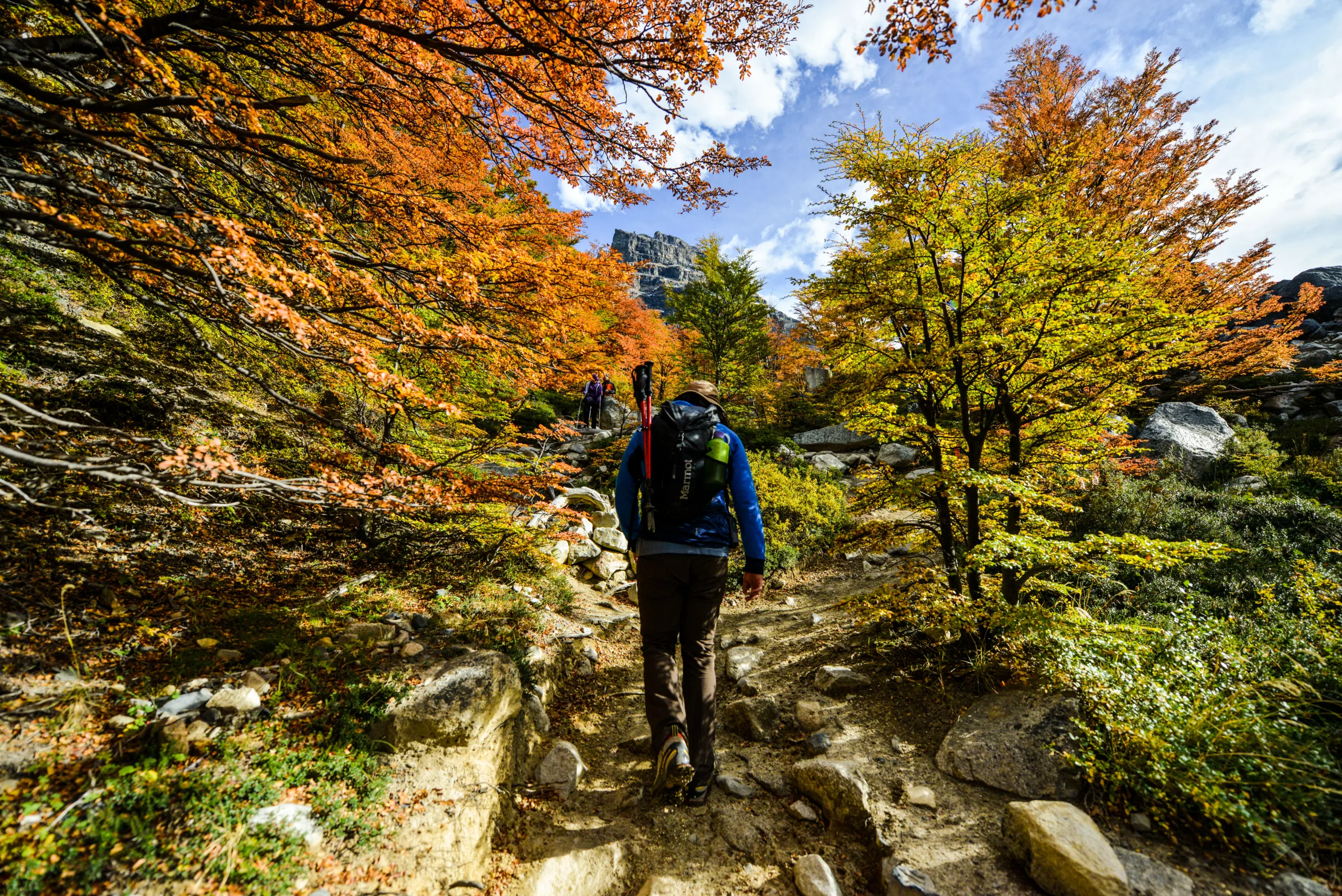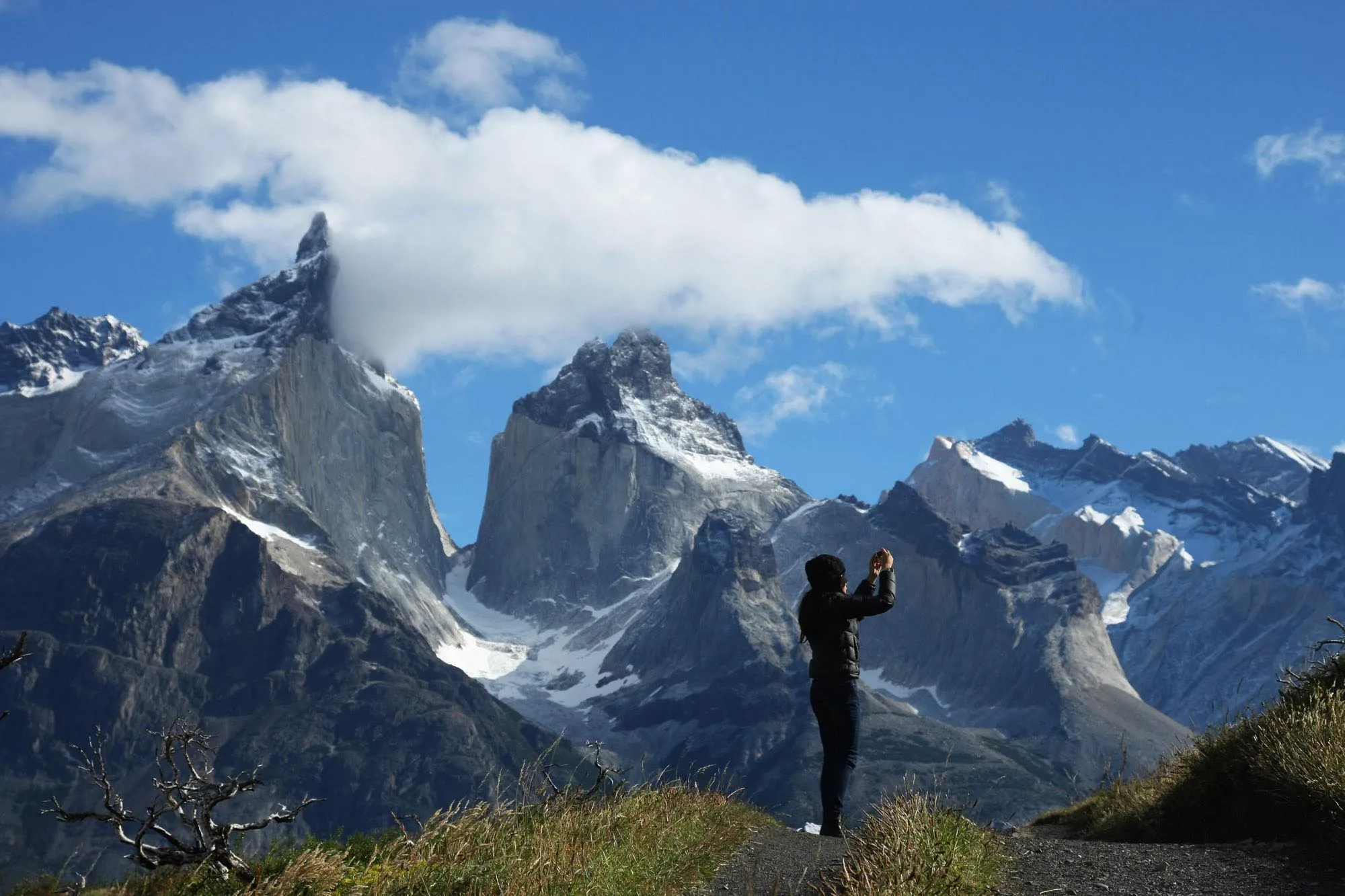
Travelers choosing between a shared excursion and a private one in Chilean Patagonia usually compare price, group size and itinerary. Fewer ask what the person leading the day brings to it. A Torres del Paine guide does far more than name the peaks. They set the pace, read the wind, decide when to stop and when to keep walking, and shape the conversation along the way. In this article we explain what a good guide changes in the park, which qualities we look for, how we advise on private and shared options, and why we work through local operators rather than around them.
From our travel designers: “A good guide knows how to make the most of the day. The guide must know when and how to use the information they carry. The real stars of tourism are the guides and the drivers.”
Empathy comes before information
The first quality we look for in a guide is empathy. A good guide listens to the traveler and adapts what they know, and how they share it, to that person’s interests and to the moment.
Travelers are different from one another. Some want to walk in silence for hours. Others want to go deeper into the biodiversity or the history of the area. The guide has to recognize which of those travelers is in front of them and respect it, instead of repeating the same performance every day.
The mistake we see most often is the guide who recites information without listening and without respecting the silence of the group. Knowing a lot is the starting point. Knowing when to speak is the skill.
A position of responsibility
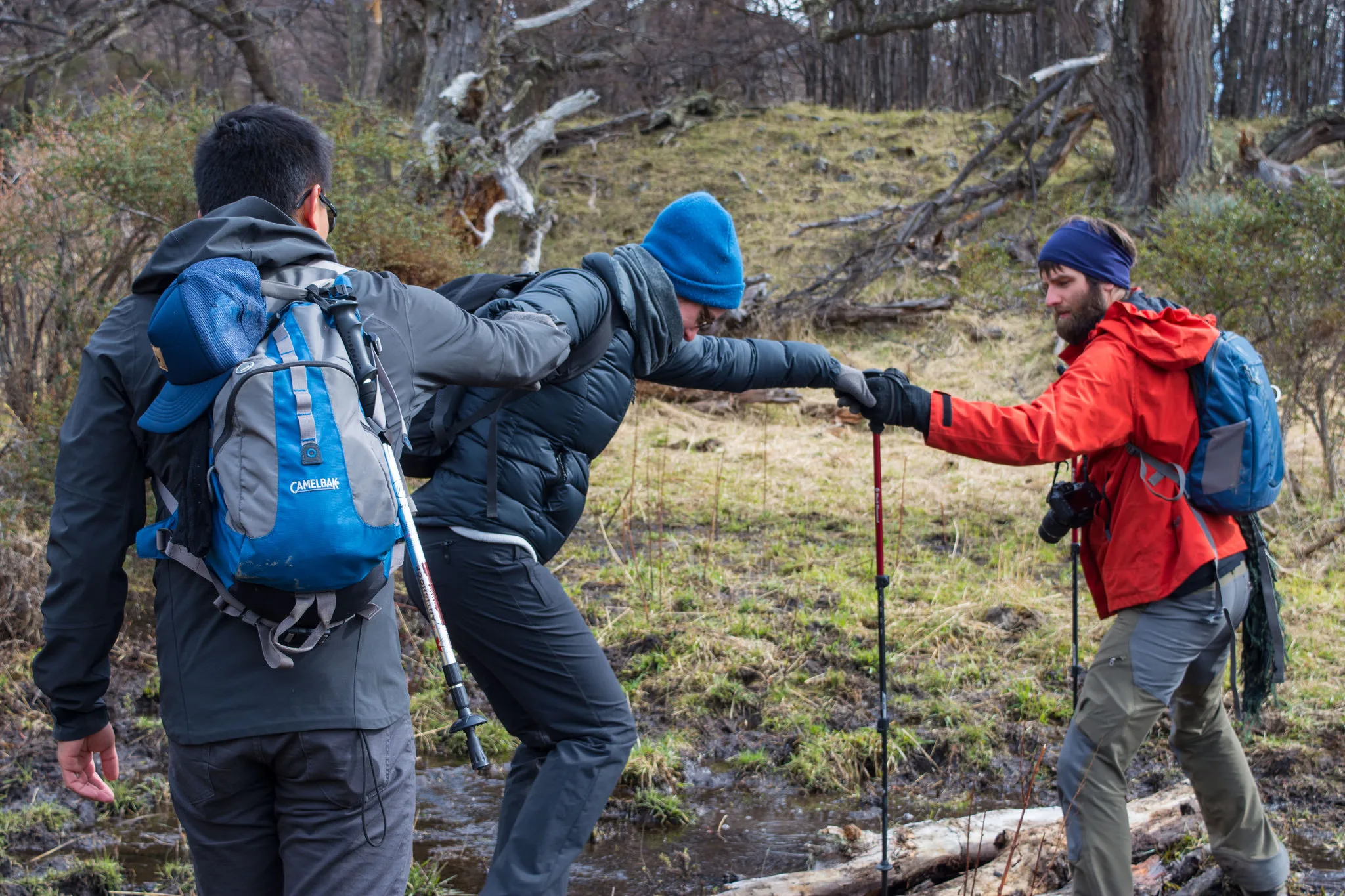
A guide directs rhythms, pauses and conversations. That is a position of responsibility and, in practice, of influence over how your day feels. A good guide handles it with respect: they offer a pause before anyone asks for it, adjust the pace to the group and leave room for people to simply look.
Reading the mountain, not only the forecast
In nature and mountain guiding, safety is a professional competence. The guide has to recognize and anticipate risks, interpret weather conditions and know how to respond in an emergency.
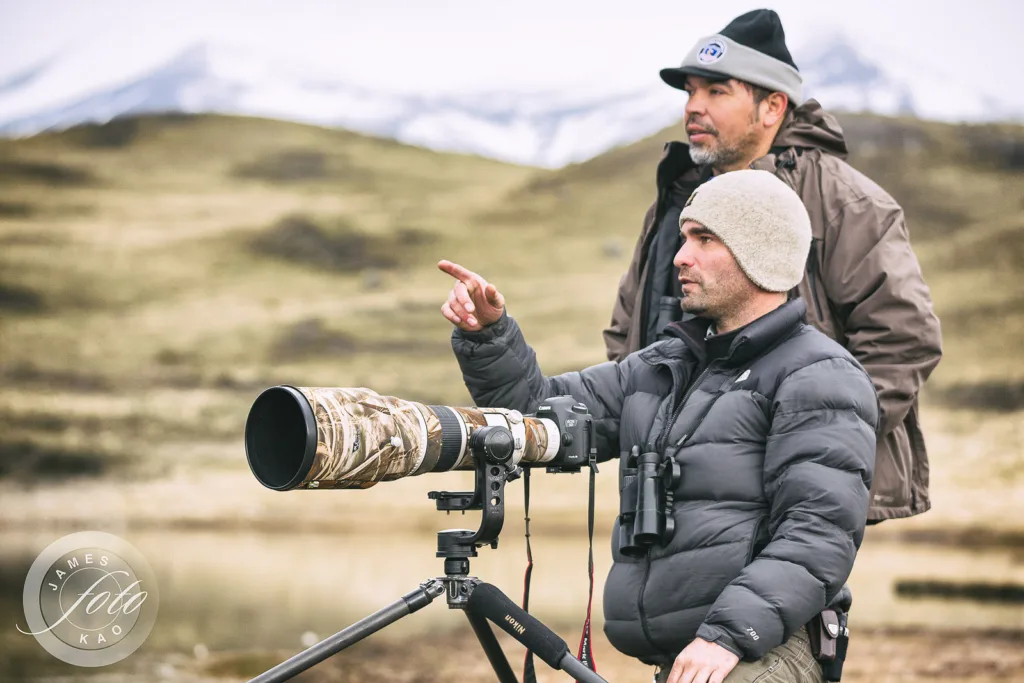
Examples of that preparation include knowing what to do in an avalanche, in an encounter with a puma, or when the wind and the weather change. We mention them to describe the level of training we value, not to suggest that travelers should expect these situations on a typical route. In Torres del Paine, the conditions that matter most day to day are wind and quickly changing weather.
We have seen cases of poorly prepared guides who put clients at risk. Checking a forecast online is not enough. A guide has to understand the territory, the wind, the conditions and their risks, and their training has to match the activity they lead.
Making the most of the day
Safety is the floor, not the ceiling. A good guide also knows how to make the most of the day, and the same trail can feel very different depending on who reads it. Depending on conditions, a guide might change the order of the viewpoints, choose a sheltered place to stop, or wait for the weather to open before moving on.
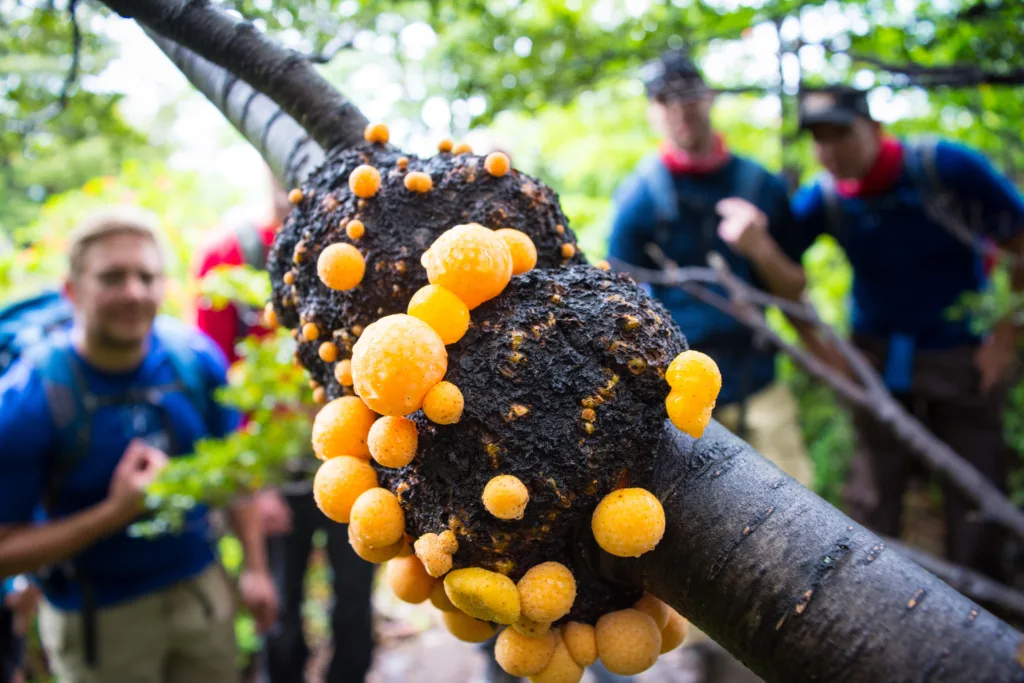
That kind of judgment is hard to put in an itinerary. It comes from knowing the place well and paying attention to the people walking it.
Private guide or shared excursion
We recommend a private guide when you want to go deeper, set your own pace and share the day with your partner, family or group, if the budget allows. The conversation follows your interests, and the day can bend to your rhythm.
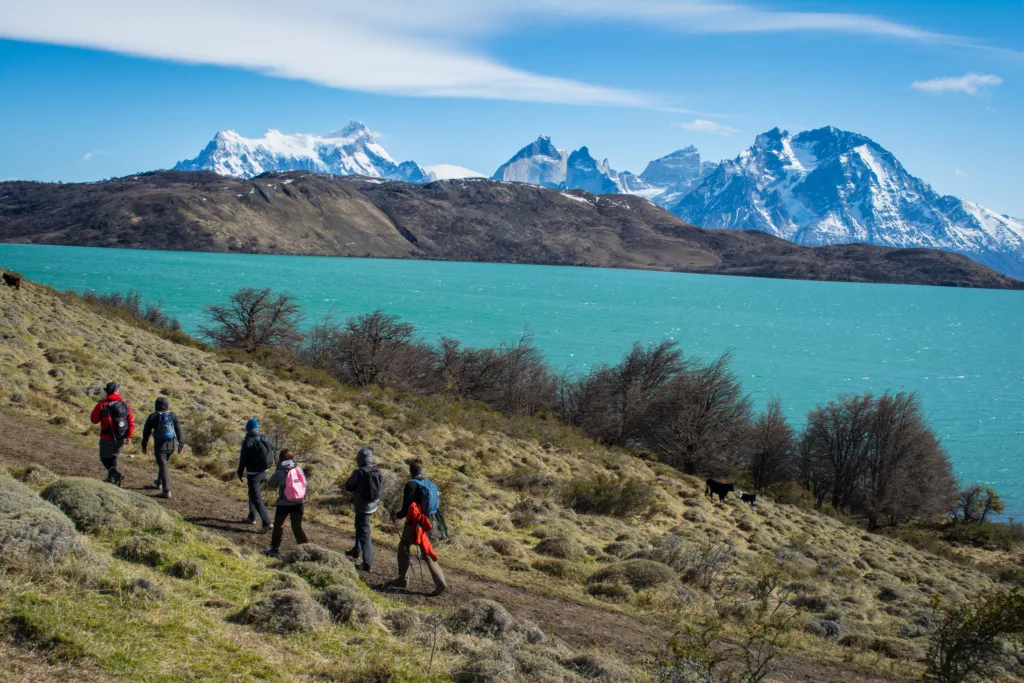
We recommend a shared excursion when you would like to meet other travelers, especially if you travel solo, or when you want to reduce costs. A shared tour usually costs less than a private service.
Both formats work well with a good guide. If you are considering a longer trek, our Torres del Paine O Circuit itinerary with Perito Moreno Glacier shows how we connect the park with the Argentine side.
Why we work through local operators
We put guides and drivers at the center of the experience, because they are the ones who deliver it to you. We also believe agencies should value them and pay them fairly, and we see the opposite as a mistake: agencies that undervalue guides and drivers, or intermediaries that replace local operators instead of strengthening them.
In Patagonia we do not hire guides directly in order to displace local agencies. We work with local operators. As we put it: we do not want to take work away from local agencies, we want to help them grow.
Those operators are whole teams: administration, accounting, creative work, management and guiding. They can also offer in-person support while you travel, provide equipment and act as a reference office when something needs solving on the ground. For us, sustainability includes conserving natural and cultural resources and supporting small, responsible local agencies, not only selling excursions.
What to ask when you plan
- Is the guide’s training suited to this specific activity, whether a day walk or a multi-day trek?
- Is the excursion private or shared, and what does that mean for pace and conversation?
- Who is the reference office on the ground if conditions or plans change?
- What equipment is provided, and what should you bring yourself?
These questions fit into the wider picture of your trip. Our guide to planning a tailor-made Patagonia journey across Chile and Argentina covers routing and timing, and our comparison of Chilean and Argentine Patagonia can help you decide where the park fits.
Planning your own route
If you’re mapping out a Patagonia trip and want a second opinion on guiding formats, timing or routing, we’re happy to help you think it through.