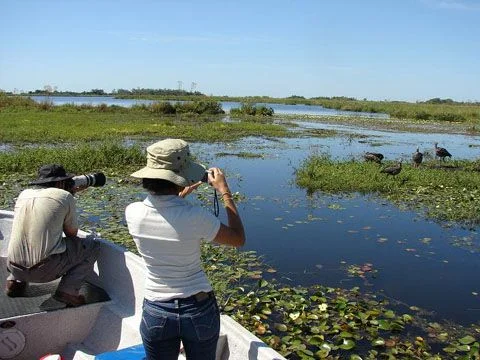
Water as the nest of life
Wetlands (ARG – BRA)
Wetlands and it’s amazing landscapes
Wetlands are diverse and essential ecosystems found throughout Latin America, playing a crucial role in the region’s environment and biodiversity. These areas encompass various types of wetlands, including marshes, swamps, floodplains, mangroves, and more.
Wetlands in Latin America provide various ecosystem services, such as water purification, flood control, and carbon storage, while also supporting local livelihoods and indigenous cultures. However, many of these wetlands face threats from deforestation, pollution, and climate change, highlighting the importance of their conservation and sustainable management.
Pantanal (BRA - BOL - PAR)
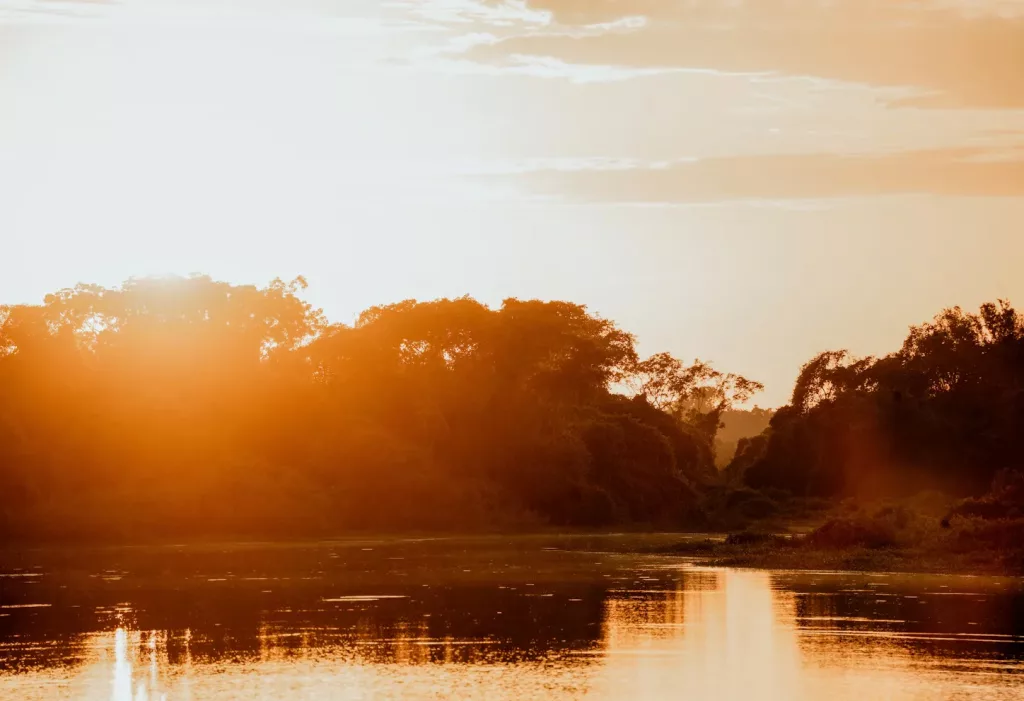
The Pantanal is one of the world’s largest tropical wetland ecosystems, located primarily in Brazil, with smaller portions extending into Bolivia and Paraguay. It is a UNESCO World Heritage Site and a Ramsar Wetland of International Importance, recognized for its extraordinary biodiversity and unique ecological characteristics.
The Pantanal covers an area of approximately 140,000 to 195,000 square kilometers (54,000 to 75,000 square miles), depending on the water levels during the wet and dry seasons. It is situated in South America, mostly within the Brazilian states of Mato Grosso and Mato Grosso do Sul, but it also extends into eastern Bolivia and northern Paraguay.
The Pantanal is characterized by a distinctive seasonal flooding pattern. During the wet season (November to March), large portions of the region become inundated with water from rainfall and upstream rivers. During the dry season (April to October), the water levels recede, revealing vast grasslands and numerous lagoons.
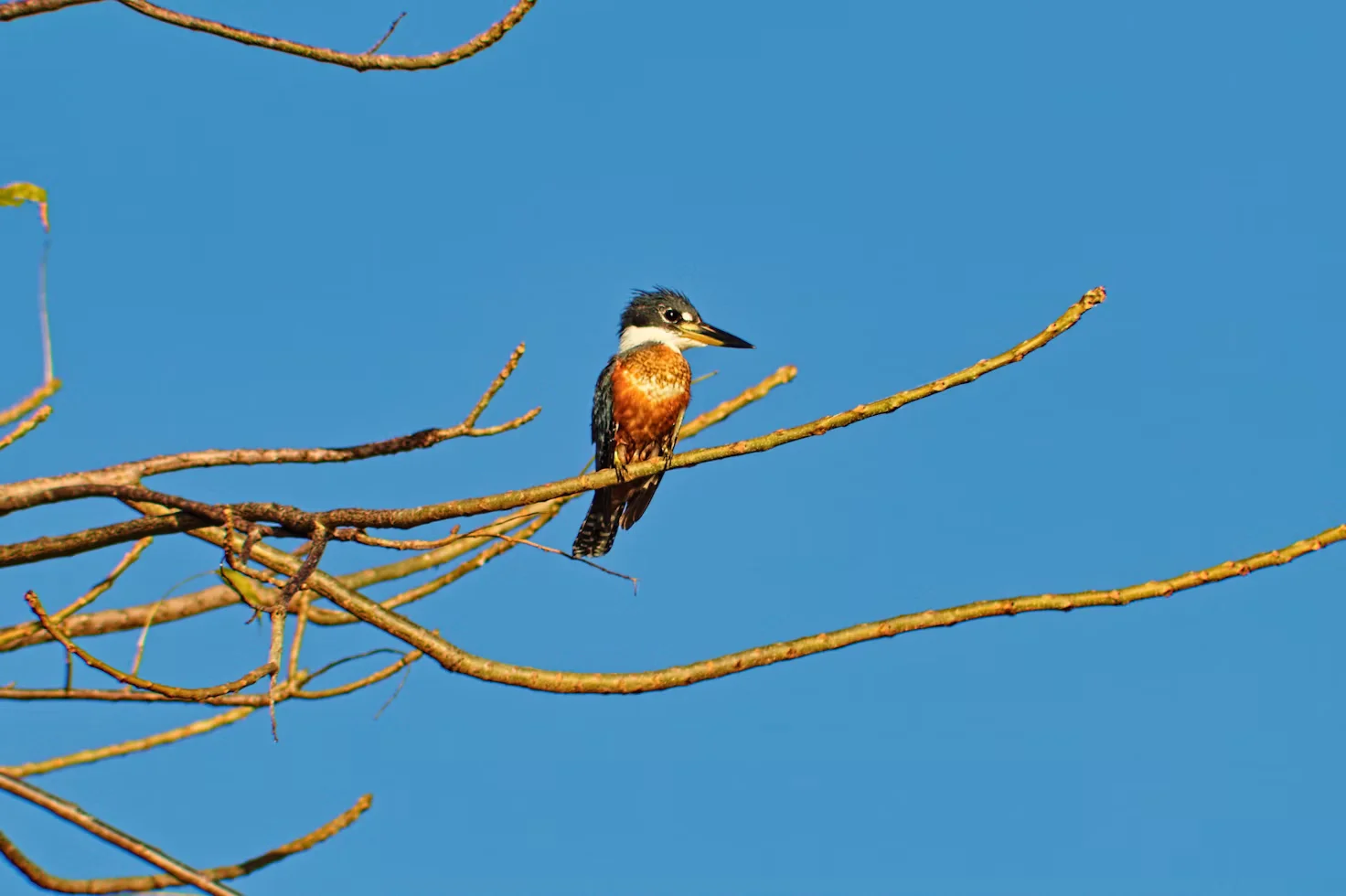
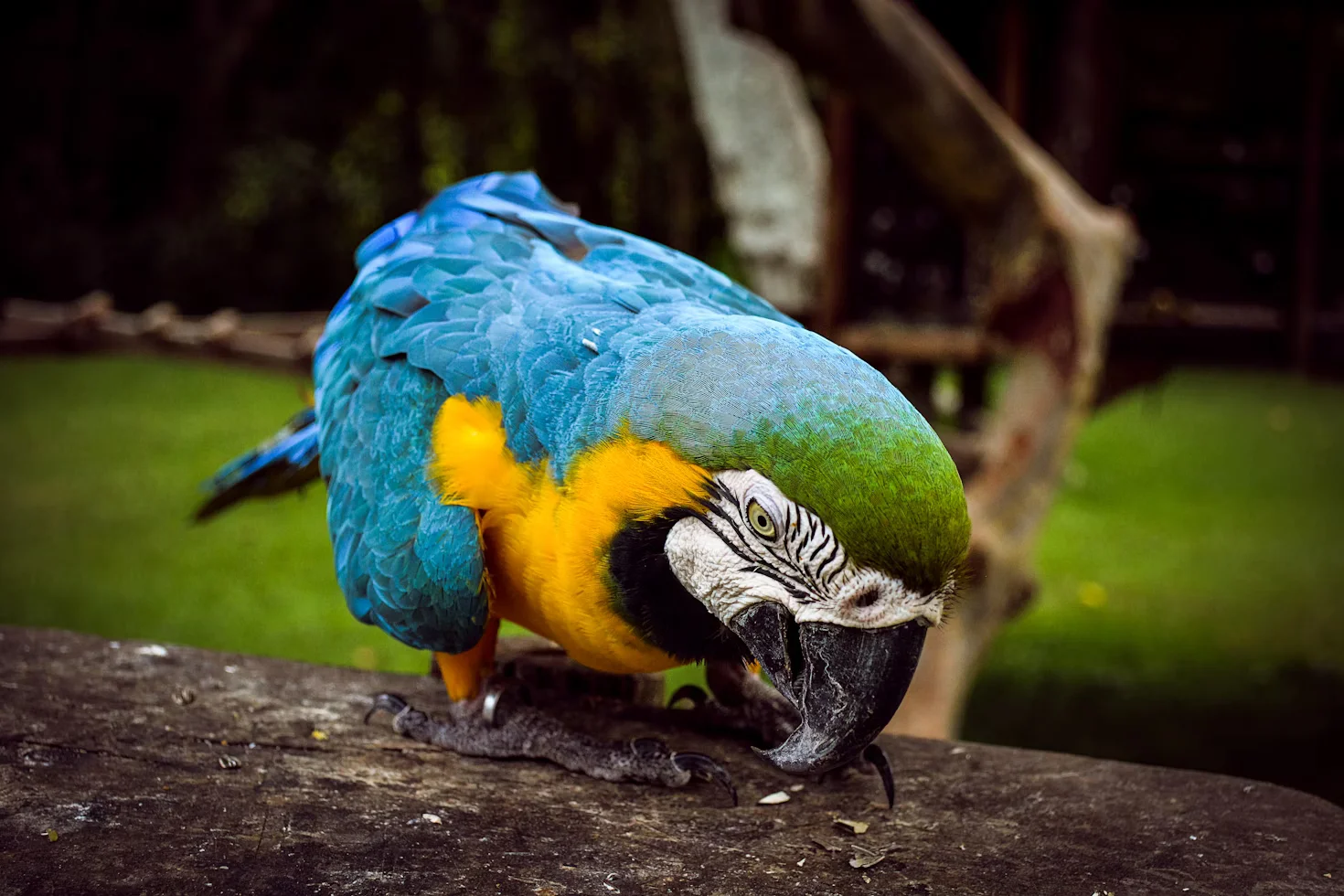
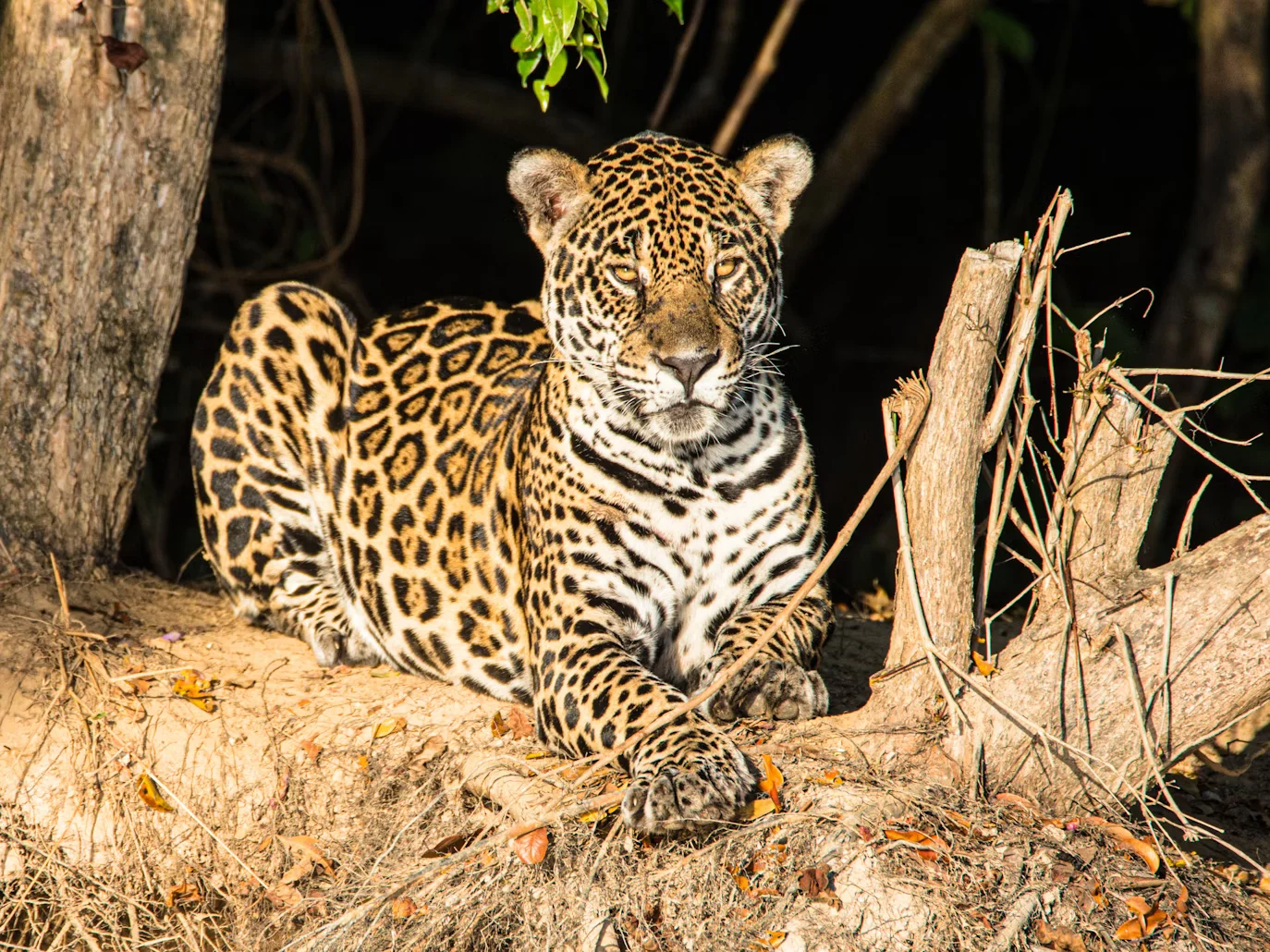
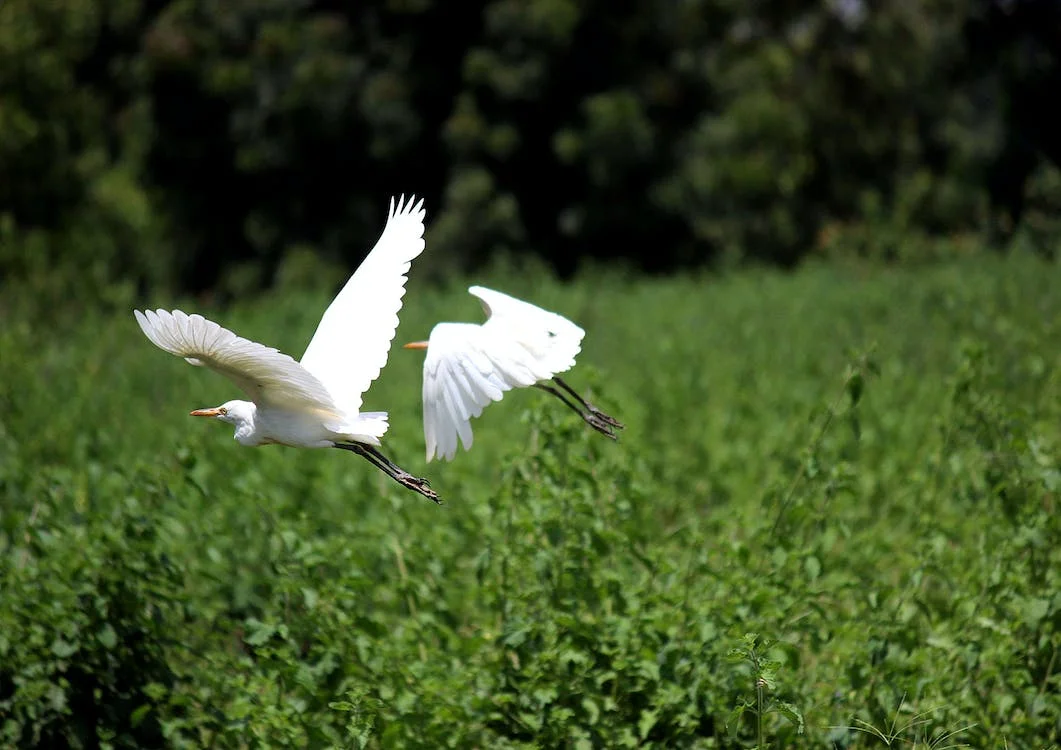
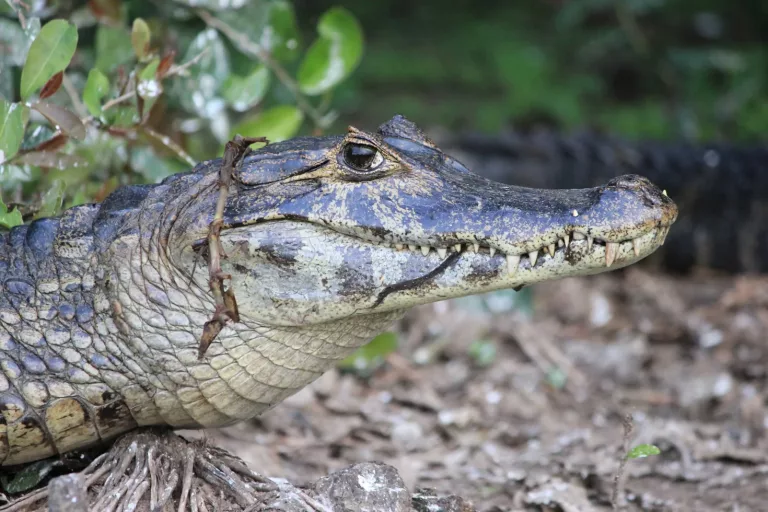
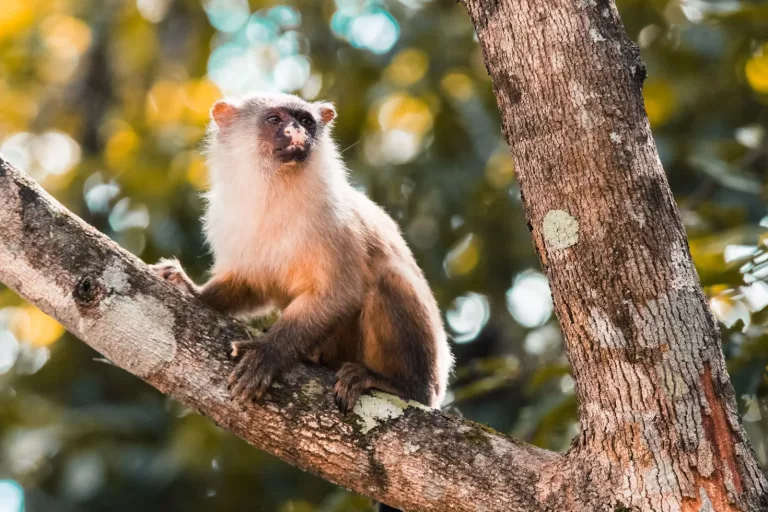
The Pantanal is renowned for its incredible biodiversity. It is home to a diverse array of wildlife, including jaguars, capybaras, caimans, giant otters, giant anteaters, marsh deer, and over 650 species of birds. It is considered one of the best places in the world for birdwatching.
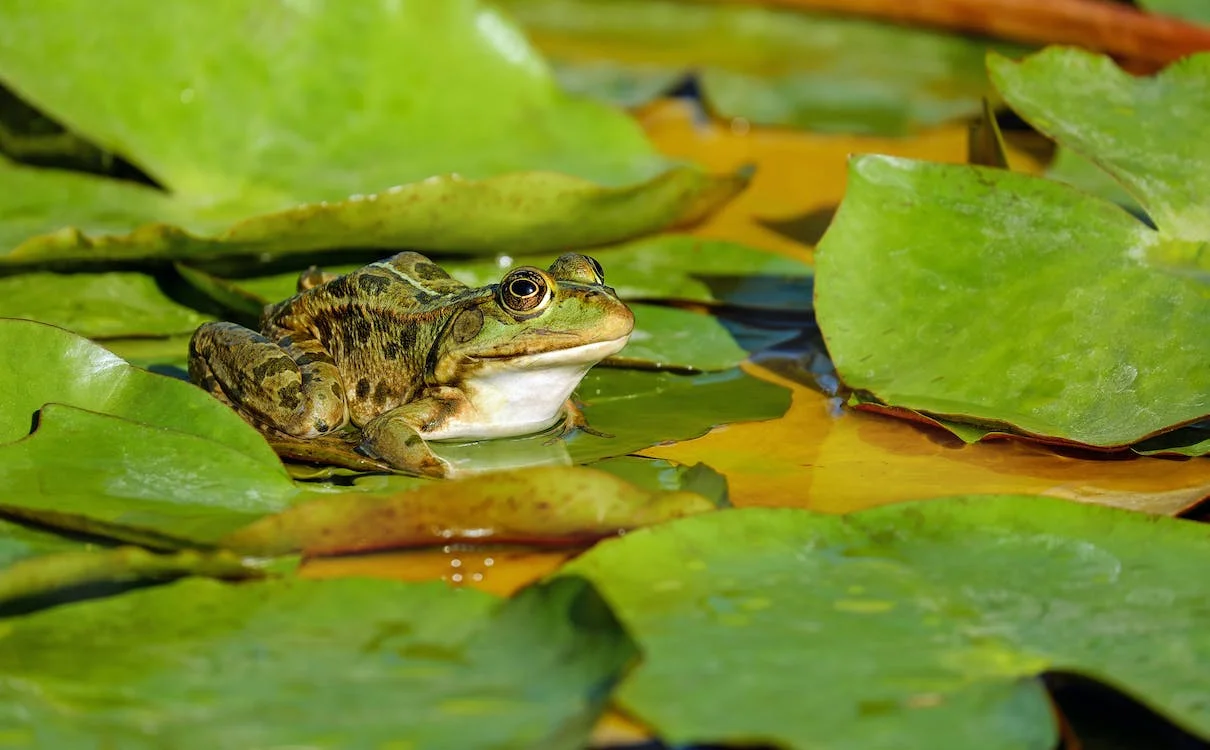
The vegetation in the Pantanal varies with the water levels. In the flooded areas, you can find aquatic plants like water hyacinths and water lilies, while the higher ground supports gallery forests, grasslands, and savannas.
The Pantanal faces various conservation challenges, including deforestation, agriculture expansion, infrastructure development, and climate change. Efforts are underway to protect and preserve this unique ecosystem through conservation areas, sustainable tourism, and scientific research.
The Pantanal has become a popular destination for ecotourism and wildlife enthusiasts. Tourists visit to observe the abundant wildlife, take part in guided safaris, and appreciate the natural beauty of the region. There are lodges and tour operators that cater to visitors interested in experiencing the Pantanal’s unique environment.
What to visit?
Cuiabá
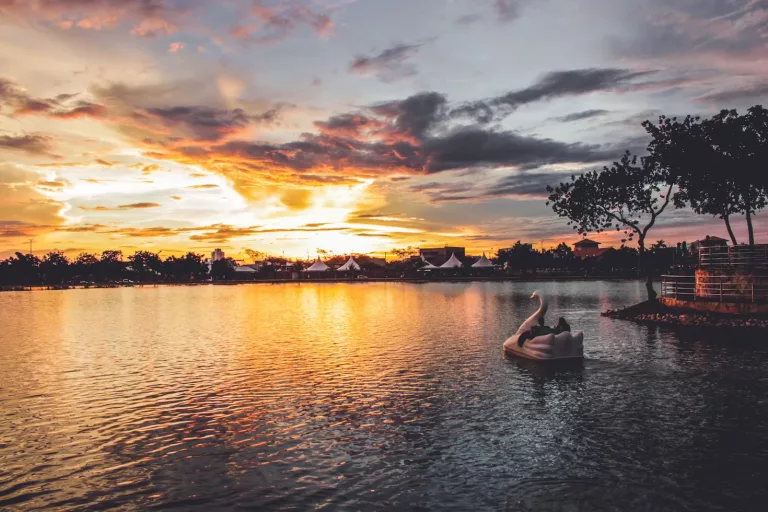
Cuiabá is the capital city of the state of Mato Grosso in Brazil. It is located in the central-western region of the country and is known for its rich cultural heritage, natural beauty, and unique cuisine.
Cuiabá is situated in the heart of Brazil, in the central-western part of the country. It is often considered the gateway to the Brazilian Pantanal, one of the world’s largest tropical wetland areas.
The city has a diverse cultural scene with influences from indigenous peoples, African, and European cultures. Its cultural heritage is reflected in its music, dance, and local traditions.
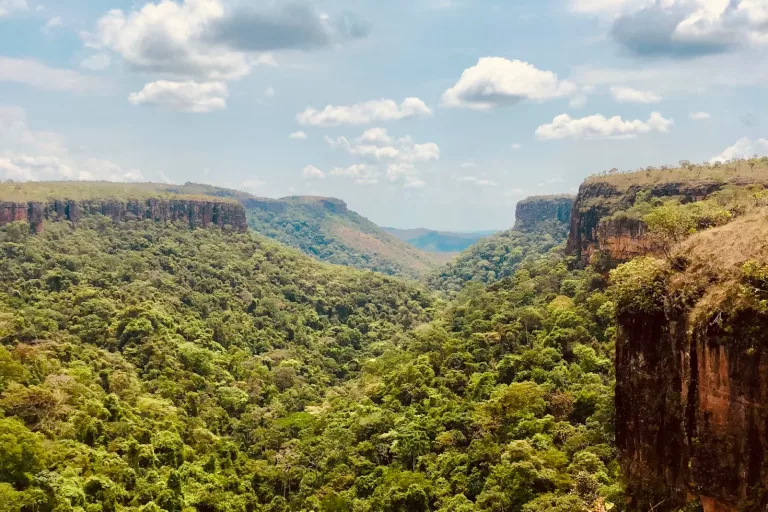
The region surrounding Cuiabá is known for its stunning natural beauty, including the Pantanal, which is home to diverse wildlife, including jaguars, capybaras, and numerous bird species. The city is also near the Chapada dos Guimarães National Park, known for its unique rock formations and waterfalls.
Cuiabá is a vibrant city with a unique blend of culture and nature, making it an interesting destination for travelers interested in exploring the Brazilian interior and experiencing its rich traditions and natural wonders.
Puerto Jofre
Puerto Jofre is a small town located in the Pantanal region of Brazil. including a wide variety of plant and animal species. Puerto Jofre is particularly famous for its access to the northern part of the Pantanal, which is renowned for its jaguar population.
Tourists visit Puerto Jofre to embark on wildlife-watching adventures, with a primary focus on spotting jaguars in their natural habitat. The best time to see jaguars in this area is during the dry season, which typically runs from May to October. During this period, the water levels recede, and jaguars are more easily spotted along the riverbanks.
In addition to jaguars, the Pantanal offers opportunities to see other wildlife, including capybaras, caimans, giant otters, various bird species, and a diverse range of aquatic life.
Visitors to Puerto Jofre can take boat tours along the rivers and waterways of the Pantanal to observe the wildlife and appreciate the unique ecosystem of this region. It’s important to note that Puerto Jofre is a relatively remote area, so travelers should plan their trips accordingly and be prepared for rustic accommodations and limited amenities.
Corumbá
Corumbá is a city located in the Brazilian state of Mato Grosso do Sul, and it is often also referred to as the “gateway to the Pantanal”. Corumbá serves as a popular starting point for travelers who wish to explore this unique ecosystem. Gateway to the Pantanal: Corumbá is one of the primary entry points for tourists visiting the Brazilian Pantanal. From Corumbá, visitors can access various parts of the Pantanal, including its northern and southern regions.
The city is located along the Paraguay River, and river tourism is a popular activity in the area. Tourists can take boat trips along the river and its tributaries to explore the wetlands, see wildlife, and experience the Pantanal’s unique landscapes.
Corumbá has a mix of cultural influences due to its location near the border with Bolivia. Visitors can experience a blend of Brazilian and Bolivian cultures in the city, reflected in its cuisine, traditions, and local festivals.
In addition to wildlife viewing, visitors can enjoy activities such as hiking, horseback riding, and fishing in the Pantanal. Guided tours are widely available to help visitors make the most of their experience.
Bonito
Bonito is a town in the state of Mato Grosso do Sul in Brazil. It’s renowned for its crystal-clear rivers, freshwater springs, and a wide range of outdoor activities and ecotourism opportunities. The region is famous for activities such as river snorkeling, cave exploration, and birdwatching.
While Bonito and the Pantanal are separate regions, they are relatively close to each other in Mato Grosso do Sul. Many travelers combine visits to both areas to experience the best of Brazil’s natural beauty and wildlife.
Ibera Wetlands (ARG)
The Iberá Wetlands, also known as the Esteros del Iberá, is a vast freshwater wetland ecosystem located in northeastern Argentina. It is one of the most important wetland regions in South America and is renowned for its rich biodiversity and unique landscapes.
The Iberá Wetlands are situated in the province of Corrientes, in northeastern Argentina. They cover an area of approximately 13,000 to 15,000 square kilometers (5,000 to 5,800 square miles), making it one of the largest wetland complexes in the world.
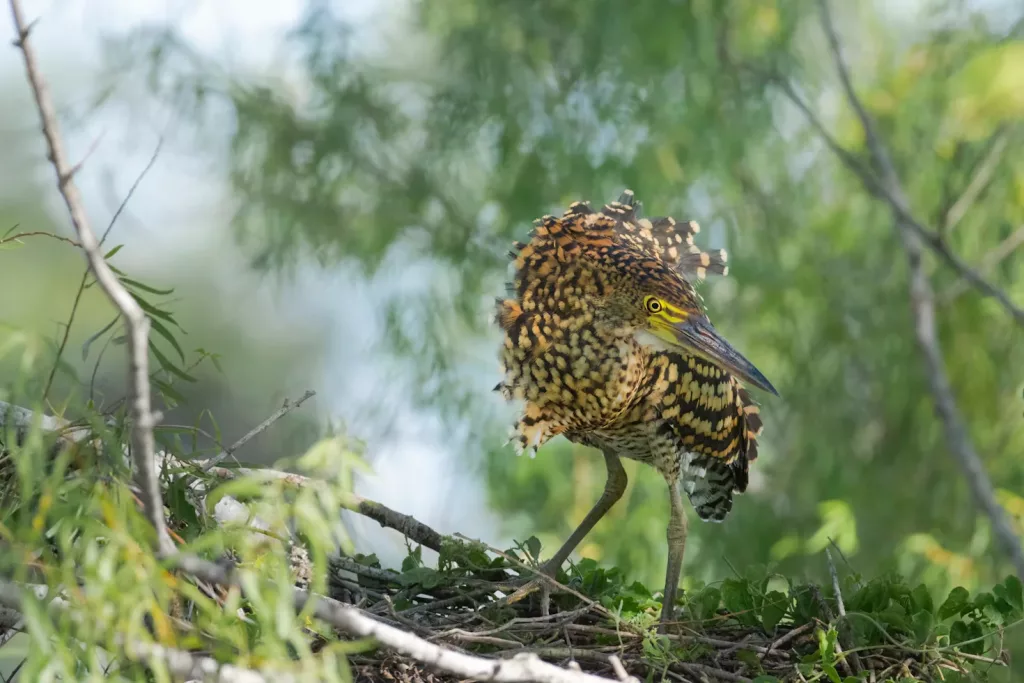
The wetlands are home to a diverse range of wildlife, including numerous species of birds, mammals, reptiles, and fish. Some of the iconic species found in the Iberá Wetlands include capybaras, caimans, marsh deer, giant otters, and over 350 species of birds, including the striking roseate spoonbill.
The Iberá Wetlands have been the focus of conservation efforts in Argentina. Several protected areas and reserves have been established within the wetlands to safeguard its unique ecosystems and wildlife. The Conservation Land Trust, founded by Doug and Kris Tompkins, played a significant role in these conservation efforts.
Due to its exceptional biodiversity and natural beauty, the Iberá Wetlands have become a popular destination for ecotourism. Visitors can explore the wetlands through boat trips, guided hikes, and wildlife observation tours. Tourism has also provided economic opportunities for local communities.
The wetlands are also home to several indigenous communities, including the Mbyá Guaraní and Mocoví people. These communities have traditional knowledge of the wetland ecosystems and play a role in their conservation.
The Iberá Wetlands are a vital part of Argentina’s natural heritage and serve as an important habitat for a wide range of wildlife. Conservation efforts and sustainable tourism have been essential in preserving this unique ecosystem for future generations.
What to visit?
Colonia Carlos Pellegrini
Colonia Carlos Pellegrini is a small town located within the Iberá Wetlands in northeastern Argentina. It’s one of the primary entry points and a popular destination for tourists visiting the wetlands.
Boat tours are a popular way to explore the wetlands, and you can typically arrange them in town. These tours take you through the waterways, lagoons, and marshes of the Iberá Wetlands, offering opportunities to see wildlife like capybaras, caimans, and various bird species.
The town itself is surrounded by natural beauty, with views of the wetlands and lush landscapes. It’s a peaceful and serene place to relax and enjoy the tranquility of the wetlands.
Even within the town and its outskirts, you can often spot wildlife. Keep an eye out for capybaras, birds, and sometimes even caimans that may come close to the water’s edge.
Colonia Carlos Pellegrini provides a convenient starting point for exploring the Iberá Wetlands, and it offers a taste of the unique natural beauty and wildlife that this region is known for. Whether you’re interested in nature, wildlife, or simply a peaceful escape, the town and its surroundings have much to offer.
Iberá National Park
Iberá National Park (Parque Nacional Iberá) is a protected area located in the province of Corrientes in northeastern Argentina. It is one of Argentina’s newest national parks, officially established in 2018, and it plays a crucial role in conserving the unique ecosystems of the Iberá Wetlands.
Iberá National Park is situated within the larger Iberá Wetlands, covering an area of approximately 1,300 square kilometers (500 square miles). It is part of one of the largest freshwater wetland systems in the world.
The park is renowned for its remarkable biodiversity. It is home to a wide variety of wildlife, including capybaras (the world’s largest rodent), marsh deer, howler monkeys, giant otters, and numerous bird species, such as herons, storks, and raptors. The park also houses several threatened or endangered species.
The park encompasses a network of lakes, lagoons, and waterways that are essential for the conservation of the wetlands. These water bodies provide habitat for aquatic species, and they are a focal point for ecotourism activities like boating and wildlife observation.
The primary goal of Iberá National Park is to protect and conserve the natural ecosystems of the Iberá Wetlands. The park aims to restore and maintain the ecological balance of the region, including the reintroduction of locally extinct species like the jaguar and giant anteater.
The dry season (from May to September) is generally the best time to visit Iberá National Park. During this period, water levels are lower, making wildlife easier to spot. However, the park is beautiful year-round, with lush vegetation and migratory bird activity during the wet season.
Iberá National Park offers a unique opportunity to experience the natural wonders of the Iberá Wetlands while contributing to their preservation through sustainable tourism. It’s a must-visit destination for nature enthusiasts and wildlife lovers in Argentina.
Why people loves nave tours

 NMC
Verified
A Special Travel Agent During our family's trip to Chile and Argentina from December 2022 to January 2023, Mario Mellado from Nave Tours provided exceptional service. Mario promptly responded to our requests and worked with us to create a customized itinerary that included excellent guides and hotel accommodations. Even when we faced an unexpected airline disruption that required several changes to our plans, Mario quickly responded and efficiently reworked our itinerary. He also ensured that we received eligible refunds for prepaid hotel costs. Mario went above and beyond to make our trip enjoyable, demonstrating a high level of care for our family's needs. Overall, we highly recommend Mario and Nave Tours for their excellent service. TravelwagI highly recommend NAVE TOURS. I was struggling to book travel to Chile when I came across Chiara on a web search. I was reluctant to book with a company unknown to me, but after meeting face to face via WhatsApp with Chiara, my husband and I felt comfortable booking with her. She made excellent recommendations and saved us from spending time in undesirable locations. Chiara was exceptionally responsive and got back to me in a very timely manner as we worked to put an itinerary together. The 3 weeks went without a hitch. Incredibly all the tour guides and transfers arrived exactly as planned. The tours were all with English speaking guides and excellent. I can’t recommend this company enough. In regards to the payment, Nave suggested using WISE money transfer. This was a leap of faith for me as I was not familiar with this platform. The fees are exceptionally low for transfers. I took the plunge and hoped for the best and again, this payment method worked well. If we travel in South America again I will be booking with Nave Tours.
 AHMEDTailored trips by Mario(Nave Tours) Mario arranged everything in my trip from A to Z tailored on my requirements, and given attention to details based on previous trips which he arranged(like in what are my accommodation preferences, duration of stays, private transportation , etc.). In addition, the people who pick me up from airport are always English speakers, friendly and besides they are locals. So they explain detailed history of the places visiting and also offering any sort of support needed. I only rely on Mario for my Central/South American countries, highly recommended!!
 Erin PDefinitely worth hiking Aguas de Ramon in Santiago We used nave tours to hike Aguas de Ramon outside of Santiago! He booked a guide for us that arranged communication, pick up, drop off, park fees, and info. Our guide was wonderful and very accommodating. He carried our extra water and let one of us use his hiking stick. It would have been a much less enjoyable hike without his presence!
 Marian SMade to feel special I travelled solo to Chile in February 2020. I booked an Antarctic Cruise leaving from Punta Arenas and wanted activities on either side of the cruise dates that would give me a fair view of what Chile is like. After months of exploring ideas, available tours and costs I despaired at finding anything suitable that did not involve paying a single supplement for accommodation or space on a tour. I Googled for travel agents with specialised knowledge of Chile and asked for help in securing single-priced accommodation in specific places. Only one agent responded - Nave Tours. Within no time Mario and I agreed on places and activities. He gave valuable input on my ideas and was accommodating in my wish to experience the Mapuche culture. His arrangements here exceeded my expectations.Two weeks before I was due to leave for Chile my Antarctic cruise was cancelled, leaving a gaping hole in my itinerary. Within three days of asking Mario to help fill the gap and expand the range of places to see, it was all finalised and paid for. He extended my scope to include the desert area around La Serena because he knew I'd be interested in indigenous culture. This was a superb idea.The logistics of travel went off without a hitch. Where travel time was long he ensured that my driver was English speaking so I could have conversations about Chile, its culture, history and current tensions. Every plane was met. Each hotel booked without complications on arrival or departure.Mario's email responses to my queries from the far side of the Atlantic at all hours made me feel he didn't sleep much and that I was the only client who mattered. I felt super safe in his hands. I could relax and enjoy my holiday.
 Esther Ctrip of a lifetime i was googling for agents who could plan a trip to patagonia that would cover 1) all the places i wanted and 2) for the dates that i could travel. loads of agencies out there but nothing that fit my bill or wallet. stumbled across Nanook, which is essentially a matchmaker between you and one of their agents local to the place you want to go, and that’s how i met Mario of Navetours. Mario’s emails may come across curt at first, but i realised that’s just how he phrases things. almost every email i sent was promptly replied to, and with the information i needed. as a solo female, i had loads of questions and concerns about my safety, but Mario was able to put me at ease. when the protests in santiago broke out, he also kept me updated and even offered to change hotels for me to a suburb that was safer and further away from the protests. the tours that he arranged for me were great. i enjoyed myself immensely travelling to south patagonia, tierra del fuego and atacama. the pace was just nice and the people i’ve met were great and friendly too! whatever activities and hikes i wanted to do, mario was able to recommend the right ones. if there’s one that was slightly economically unsound, Mario also made sure that i know before i make any commitment.we kept in constant contact throughout my trip using WhatsApp, which was great for when there’s any issue. the only qualm i had was with the Keoken Hostel; the staff was aloof and even grumpy when they realised i was right and had a reservation with them - when it was actually their staff who forgot to key it in after receiving payment months ago. i’m sure there’re way better accommodations in Punta Arenas. in any case, i would highly recommend Mario and Navetours if you’re heading to Patagonia!Monika MGreat service and professional partner. Great service for our travel agency's client from Poland. Nave Tours organized a tailor made trip lasting over 3 weeks including Argentina, Uruguay and Brazil. The cooperation was fantastic and very professional on each step - from planning till the end of guest's trip. Great people, very helpful and perfect organization. An unforgettable experience for our client. We are looking forward to working with you again.
 Ida Elise TPeru and Bolivia Very good service and help to create the perfect in Peru and Boliva. Included all the highlights we wanted to see and made a program that was easy to understand and where all the details were included.
 joeymantuaAmazing tour guide and enriching cultural experience I went on a study abroad trip with my school visiting Santiago (Chile), Valparaiso (Chile), and Buenos Aires (Argentina). My group's tour guide Mario was personable, informative and great at planning activities. Not only did he take us to great restaurants and tourist attractions but he also provided us with recommendations for when we had nothing planned. Mario's dedication to our group was incredible and he definitely left a positive mark on me and my whole group.
 ChristinaAn unforgettable experience. For two weeks, I as well as 19 of my peers went on a study abroad trip to Santiago, Chile and Buenos Aires, Argentina with Mario as our tour guide. This was my first time ever traveling out of the United States and everything was EXCELLENT. Mario truly made it an unforgettable experience. He was always patient with our group, made sure everything was scheduled accordingly, and was able to bounce back and work quickly to resolve any bumps that came along. His outgoing and caring personality made the trip even more enjoyable, and I was genuinely sad to see him go when our trip was over.
HAVEN’t decided yet?
Let our experts help. Contact us and let’s plan toghether your next trip.
Things not to miss when visiting Wetlands
Jaguars, caimans, capybaras and many animals to see
Pantanal Wildlife Tours
Chapada dos Guimarães National Park
Historical and Cultural Tours
Rio Cuiabá Boat Tours
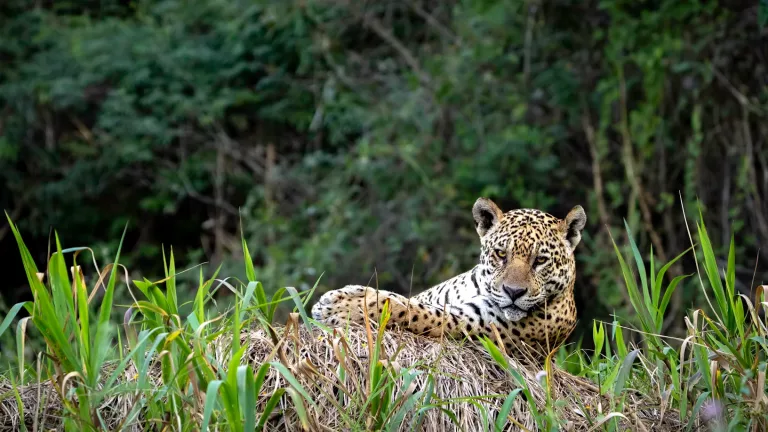
Jaguar Safaris
The primary attraction in Puerto Jofre is jaguar watching. You can book safaris with local tour operators and experienced guides who know the best spots for spotting these elusive big cats. These tours often involve boat trips along the rivers in the Pantanal, where jaguars are frequently seen.
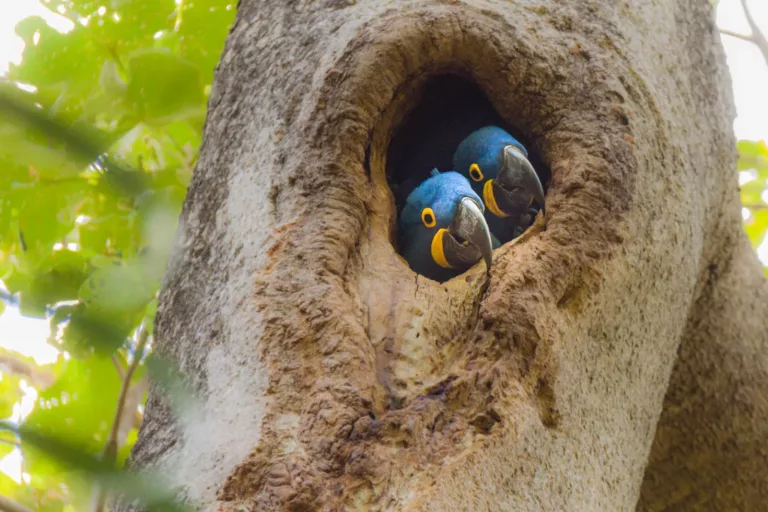
Birdwatching Tours
The Pantanal is a birdwatcher’s paradise with a diverse range of bird species. Guided birdwatching tours are available to help you spot and identify various avian species that inhabit the region.
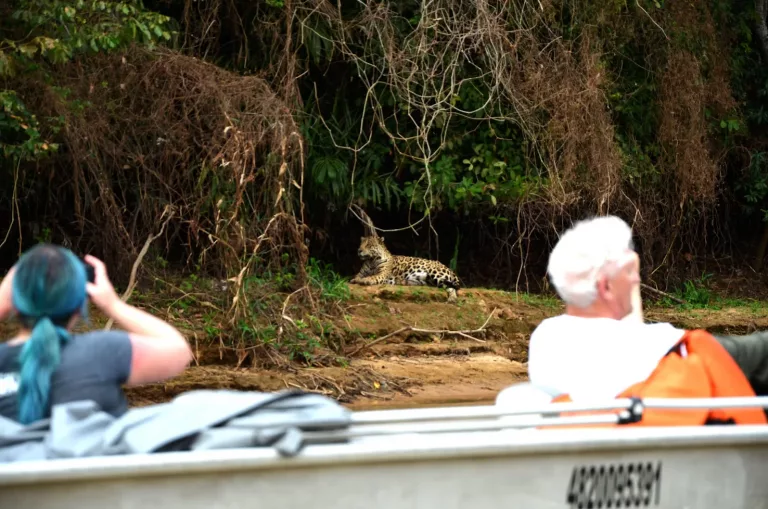
Photography Tours
If you’re a wildlife photographer, consider booking a specialized photography tour. These tours are designed to help you capture the beauty of the Pantanal and its inhabitants, including jaguars, birds, and other wildlife.
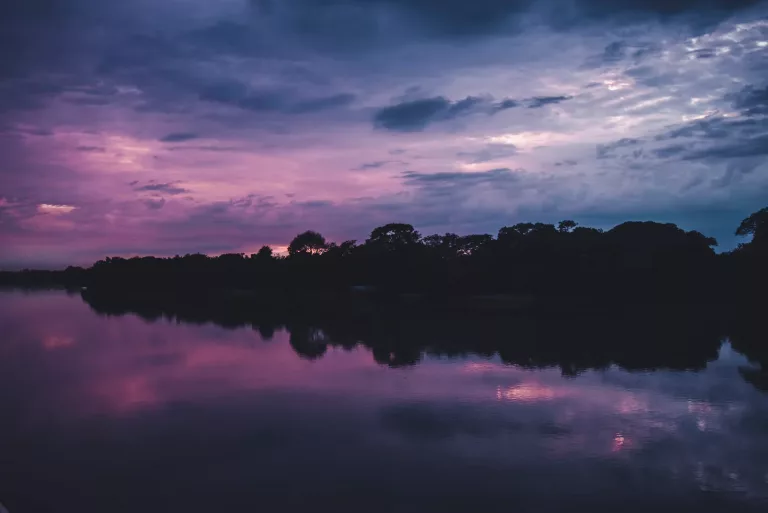
Boat Tours
General boat tours are available for those who want to explore the Pantanal’s waterways and observe its unique ecosystem. These tours may include wildlife viewing and stops at scenic spots.
Multi-Day Wildlife Tours
Consider booking multi-day tours that include a combination of activities such as jaguar safaris, birdwatching, and cultural experiences, allowing you to immerse yourself fully in the Pantanal.
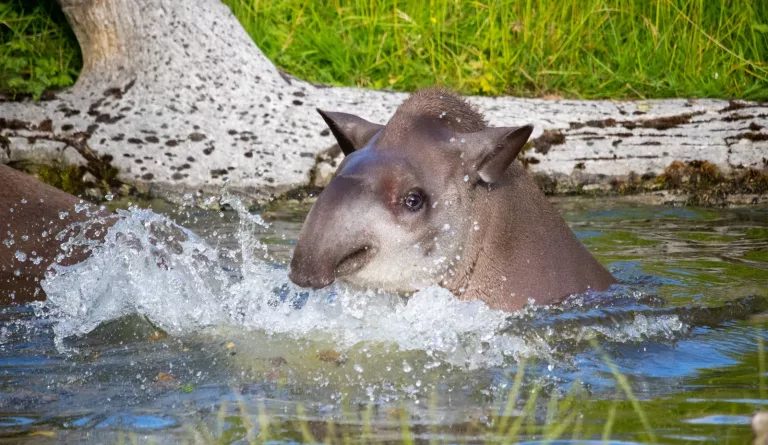
Night Wildlife Safaris
Some operators offer night safaris to observe nocturnal animals in their natural habitat, such as caimans, tapirs, and owls.
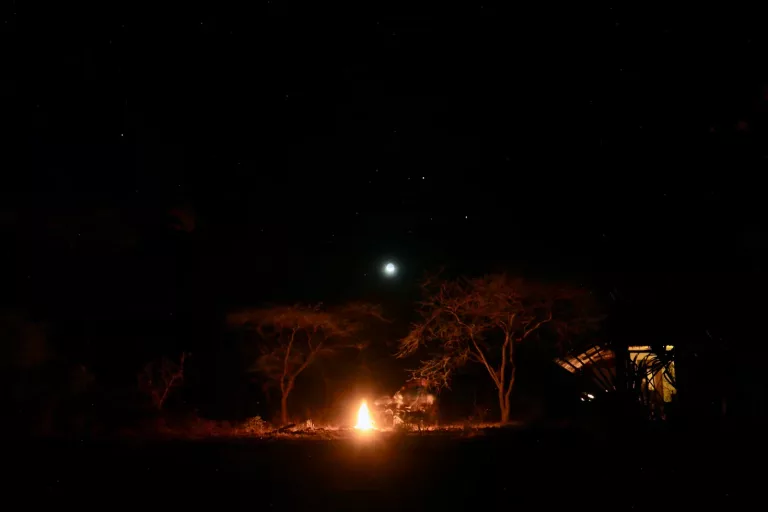
Pantanal Wildlife Tours
The main attraction in Corumbá is the Pantanal, which offers excellent opportunities for wildlife viewing. You can book guided tours that include activities like birdwatching, jaguar tracking, horseback riding, and boat safaris to observe the diverse flora and fauna, including caimans, capybaras, and various bird species.
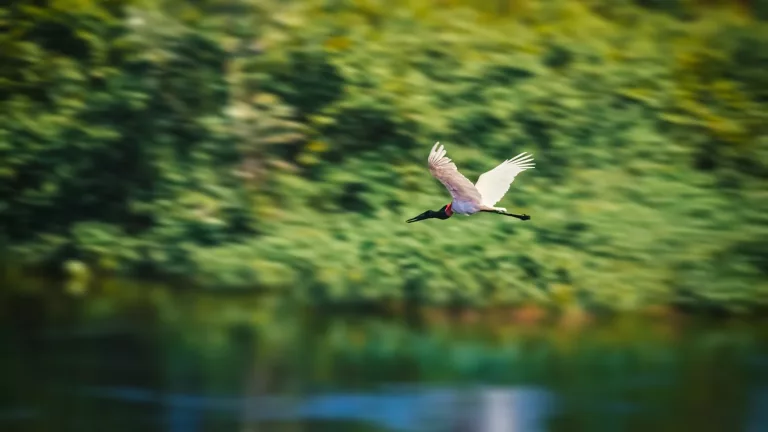
Pantanal River Cruises
Explore the Pantanal by taking a multi-day river cruise. These cruises typically offer comfortable accommodations on boats and allow you to get deep into the wetlands, offering fantastic wildlife and nature experiences.
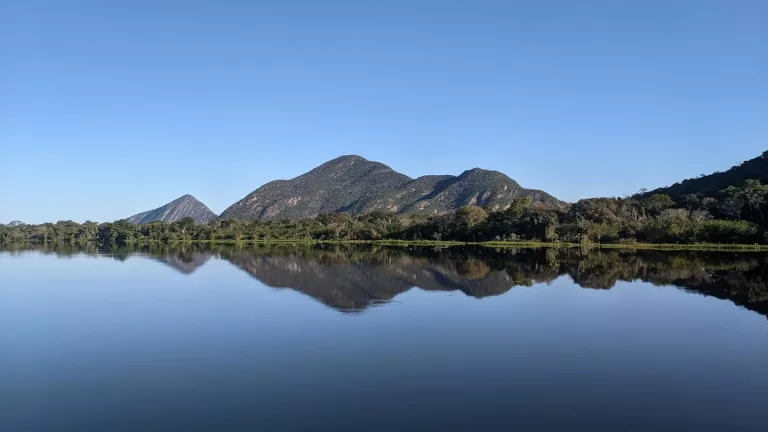
Hiking and Trekking
For those interested in exploring the Pantanal on foot, guided hiking and trekking tours are available. These tours often lead to beautiful lookout points and offer the chance to see the region’s flora and fauna up close.
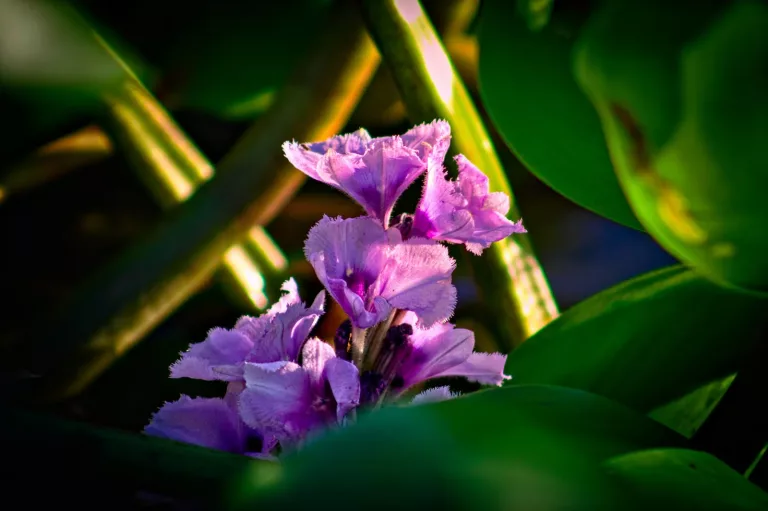
Cultural Tours
In Corumbá itself, you can take cultural tours to learn about the local history, visit museums, and experience the unique culture of the region. The city has a rich history with influences from indigenous peoples and European settlers.
Pantanal Photography Tours
If you’re a photography enthusiast, consider joining a photography-focused tour that provides opportunities to capture the stunning landscapes and wildlife of the Pantanal.
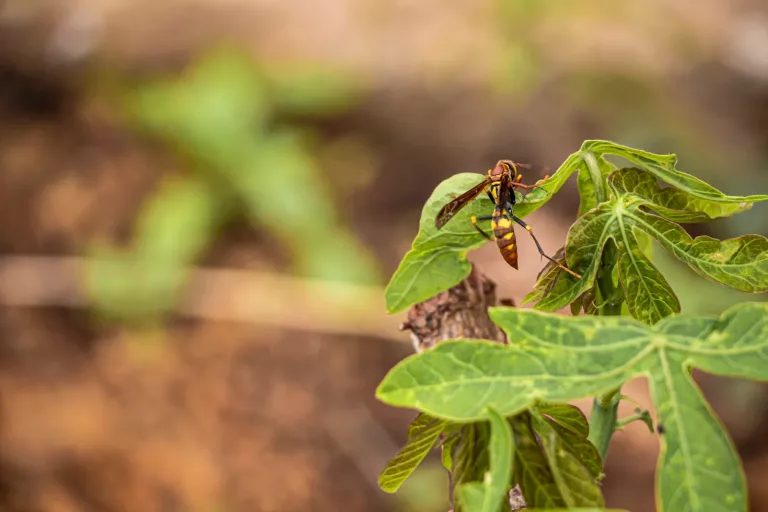
Night Wildlife Safaris
Experience the Pantanal at night with guided night safaris to spot nocturnal animals such as owls, tapirs, and nightjars.
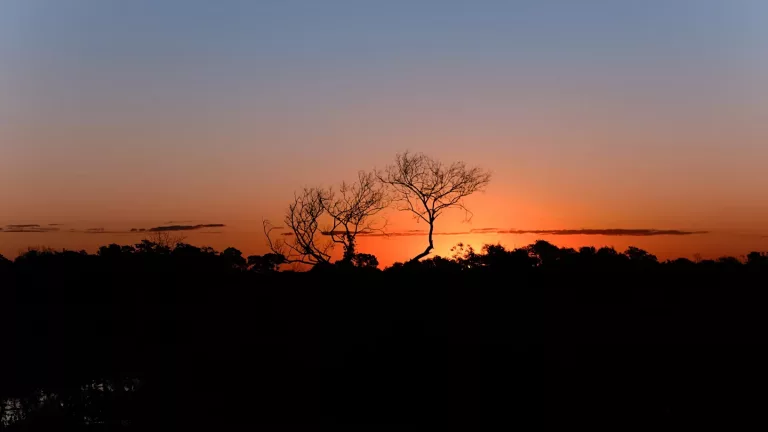
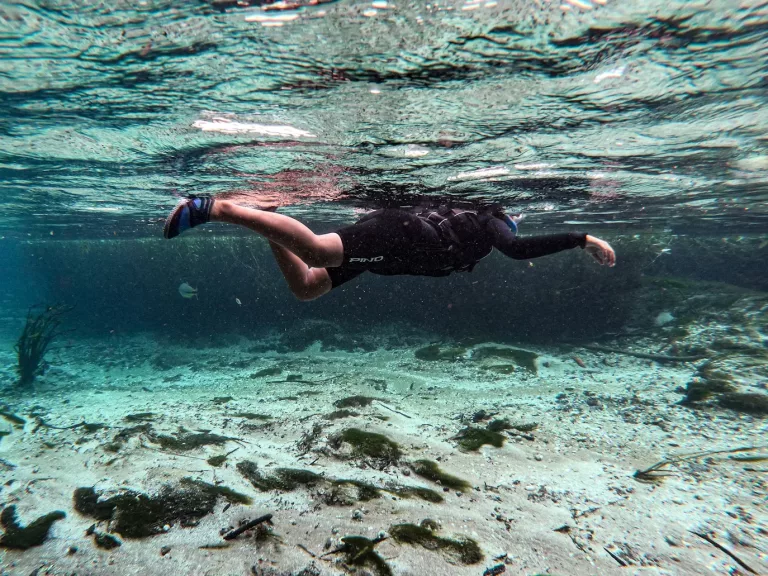
Snorkeling in Crystal-Clear Rivers
One of the top attractions in Bonito is snorkeling or swimming in the pristine rivers. Tours take you to locations like Rio Sucuri, Rio da Prata, and the Blue Lake Cave, where you can float and snorkel in crystal-clear waters surrounded by underwater life.
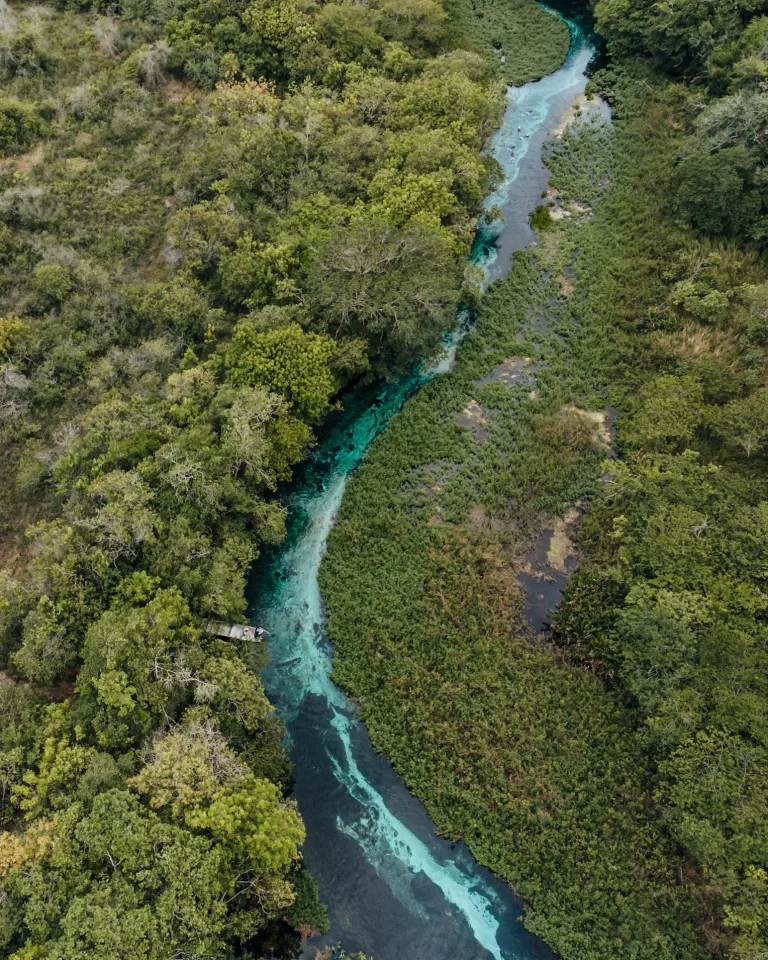
Scuba Diving
For certified divers, Bonito offers unique opportunities to explore underwater caves and rivers, often with excellent visibility. Explore sites like Abismo Anhumas and Lagoa Misteriosa.
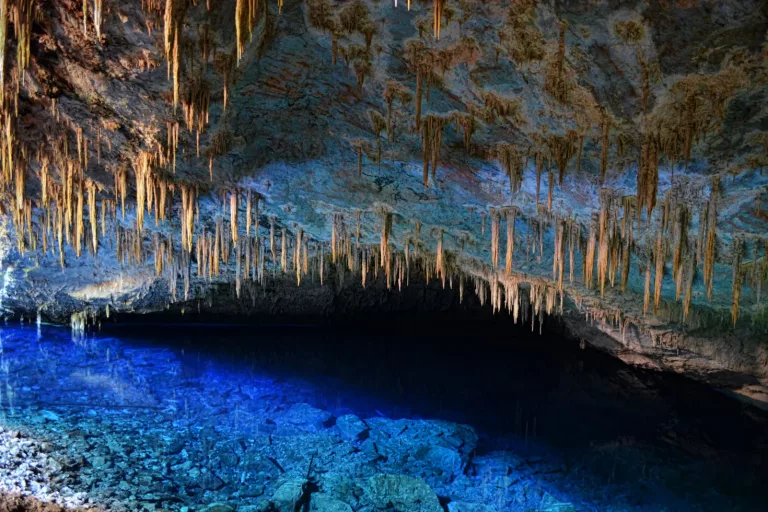
Cave Tours
Visit the numerous caves in the region, including Gruta do Lago Azul (Blue Lake Cave), Grutas de São Miguel, and Gruta São Mateus. These guided tours often include informative commentary on the geological formations and history of the caves.
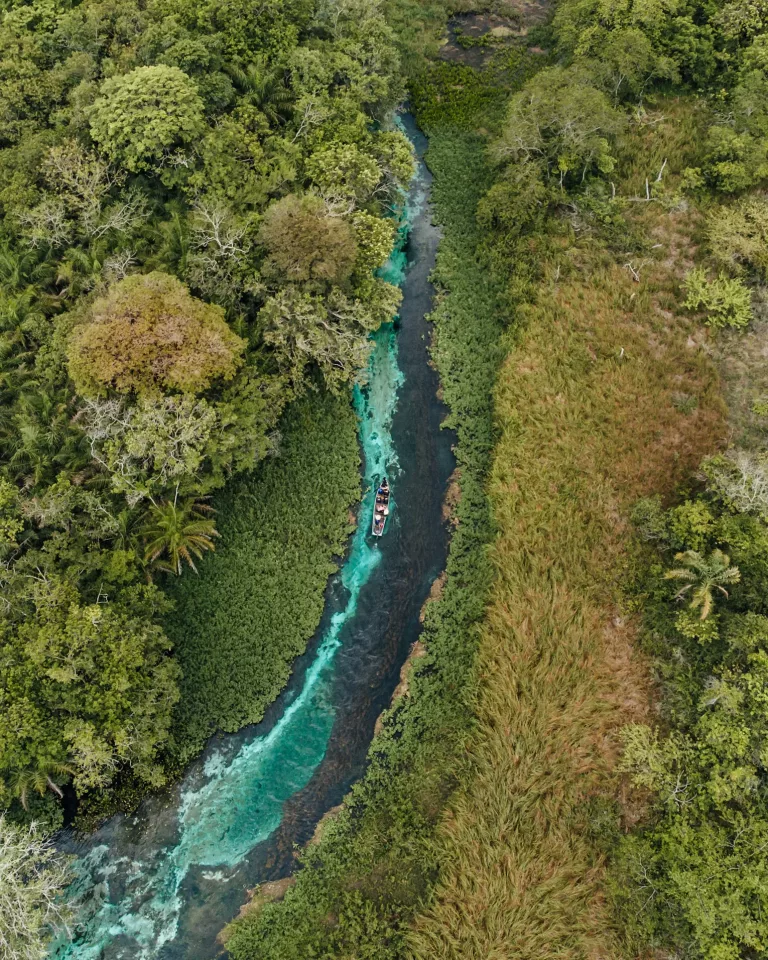
River Tours
Take boat trips or kayak tours on the rivers of Bonito. These tours often include stops for wildlife observation and swimming.
Zip Lining and Tree Climbing
For adventure enthusiasts, there are ziplining and tree climbing tours available in the area. You can enjoy the treetop canopy and experience the thrill of ziplining over the lush landscapes.

Hiking and Trekking
Explore the surrounding nature reserves and trails on guided hiking and trekking tours. These tours provide opportunities for birdwatching and wildlife spotting.
Bike Tours
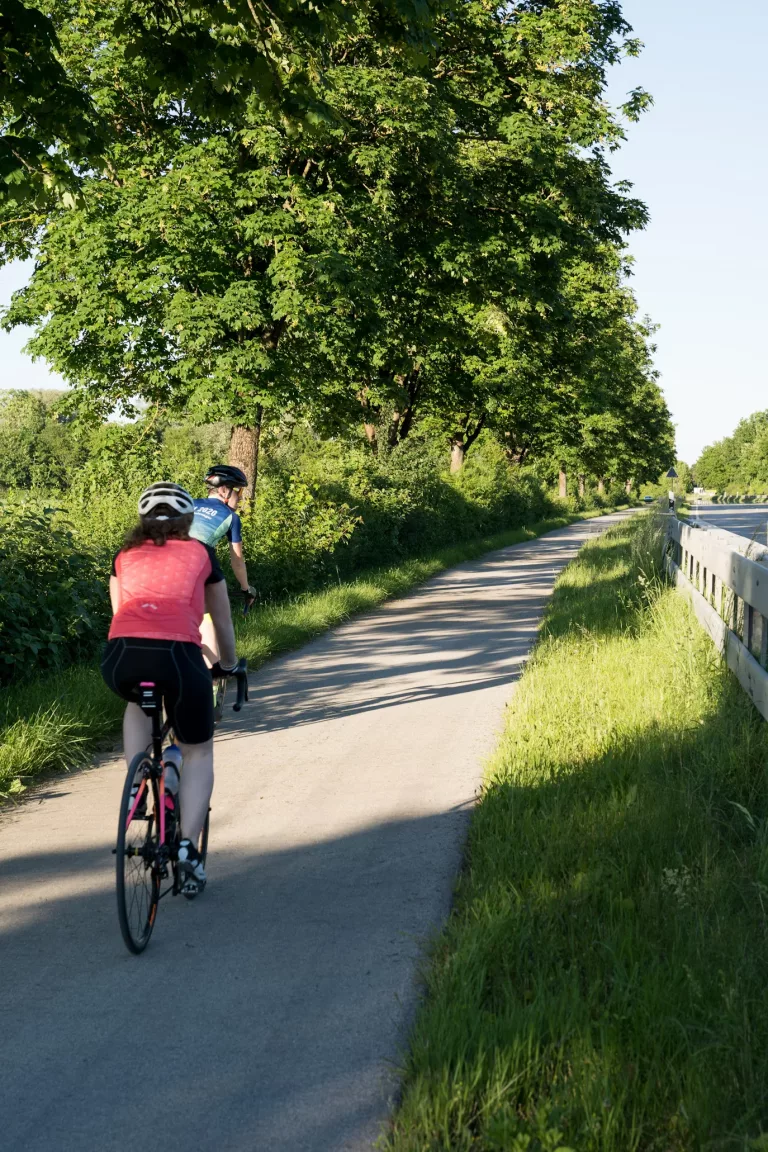
Discover the beauty of Bonito on two wheels by joining a guided bike tour. You can explore the scenic countryside and get closer to nature.
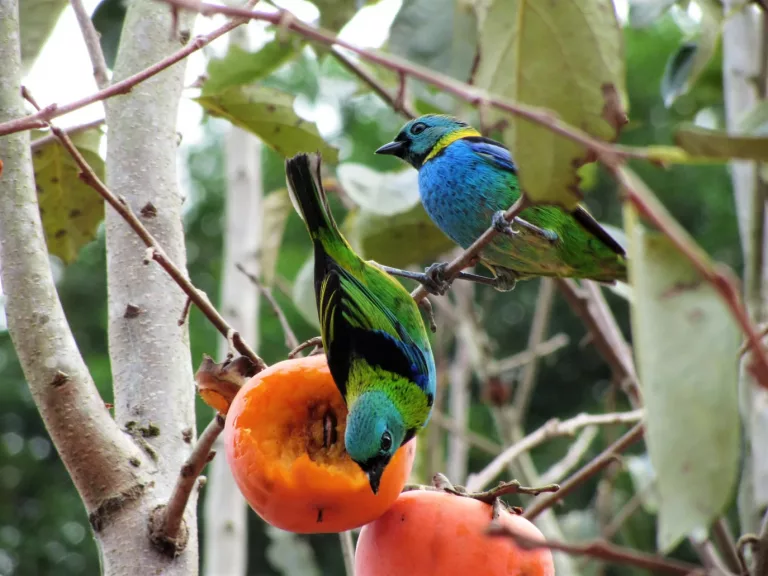
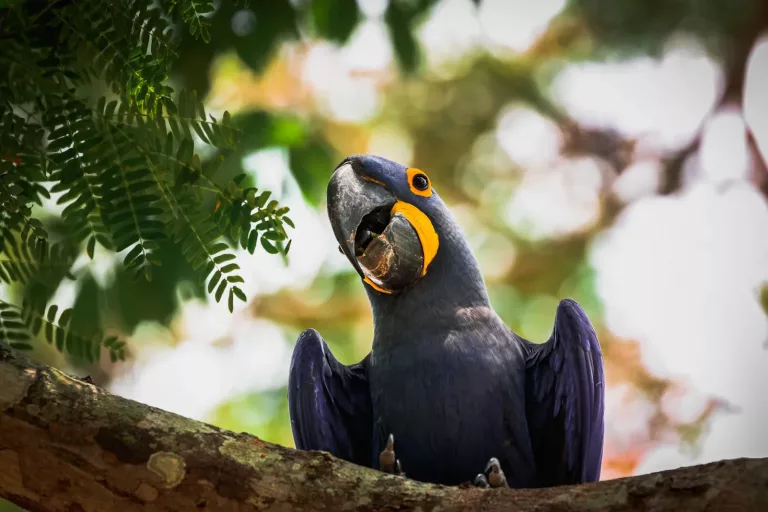
Birdwatching
Bonito is home to a diverse range of bird species. Birdwatching tours are available for those interested in observing and photographing the local avian wildlife.
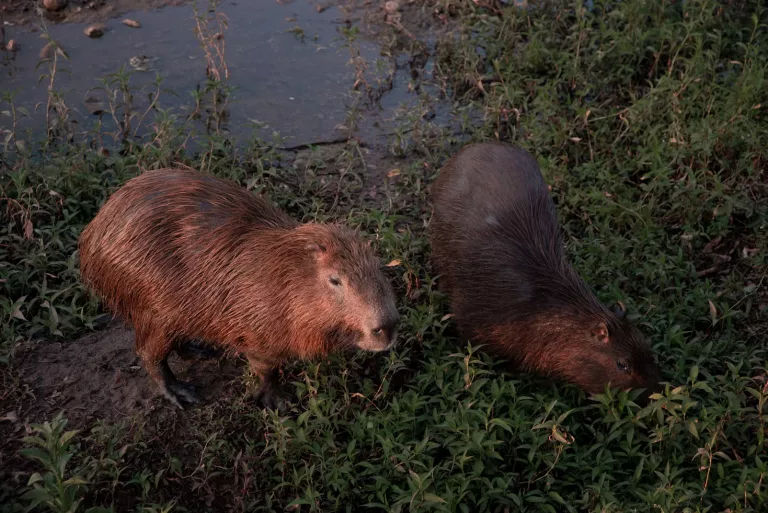
Boat Tours
Boat tours are one of the best ways to explore the wetlands and observe the wildlife up close. Local guides take you on excursions through the waterways, where you can spot caimans, capybaras, howler monkeys, and various bird species.
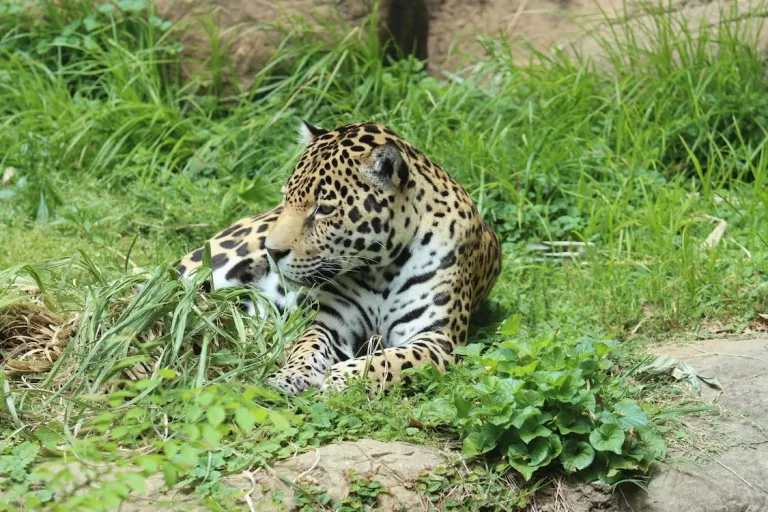
Wildlife Safaris
Guided wildlife safaris allow you to venture deep into the wetlands and increase your chances of spotting jaguars, marsh deer, otters, and other elusive creatures.
Birdwatching
Colonia Carlos Pellegrini is a paradise for birdwatchers, with over 350 bird species. Join a birdwatching tour to see colorful parrots, herons, storks, and raptors in their natural habitat.
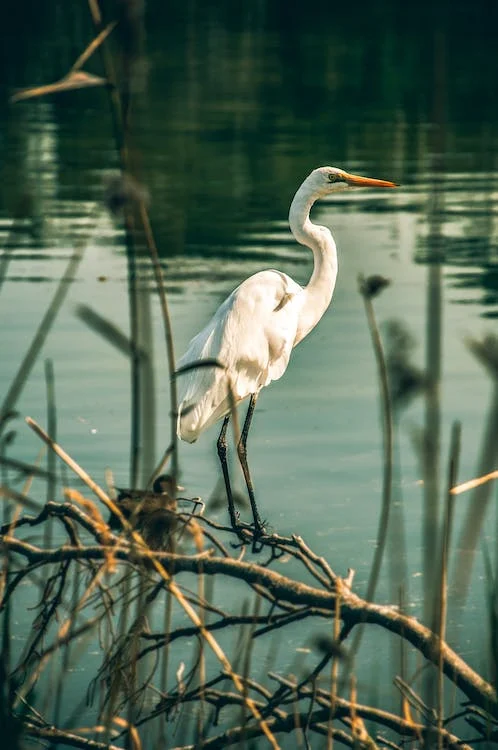
Hiking and Trekking
Explore the wetland trails and nature reserves on foot. Guided hikes take you through the diverse landscapes of the Esteros del Iberá, providing opportunities for wildlife observation and plant identification.
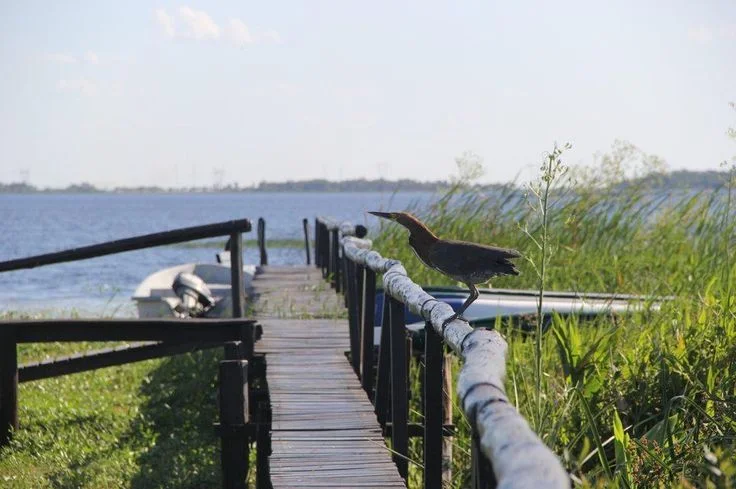
Night Tours
Night tours offer a chance to see nocturnal wildlife, including owls, nightjars, and caimans. The sounds and sights of the wetlands at night are a unique experience.

Kayaking and Canoeing
Paddle through the waterways of the Esteros del Iberá on a kayaking or canoeing tour. This allows for a quiet and peaceful exploration of the wetlands.
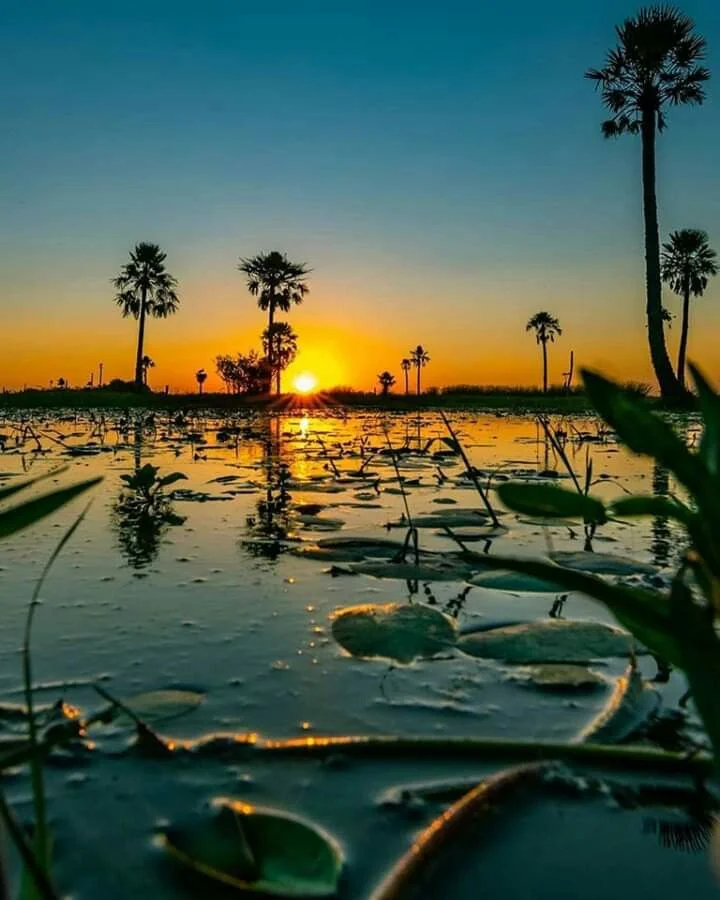
Photography Tours
If you’re a photography enthusiast, consider joining a specialized photography tour to capture the beauty of the Esteros del Iberá and its inhabitants.
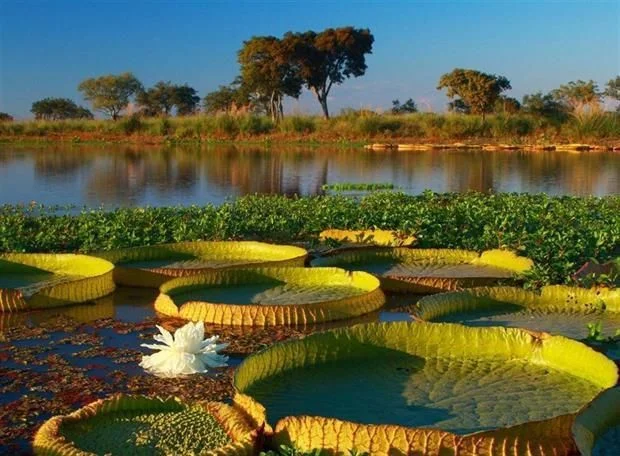
Boat Tours
Boat tours are a fantastic way to explore the wetlands and observe wildlife up close. Local guides often lead these tours, taking you through water channels where you can spot capybaras, caimans, howler monkeys, and numerous bird species.

Wildlife Safaris
Join a guided wildlife safari to venture deep into the national park and increase your chances of spotting elusive animals such as jaguars, marsh deer, giant otters, and tapirs.
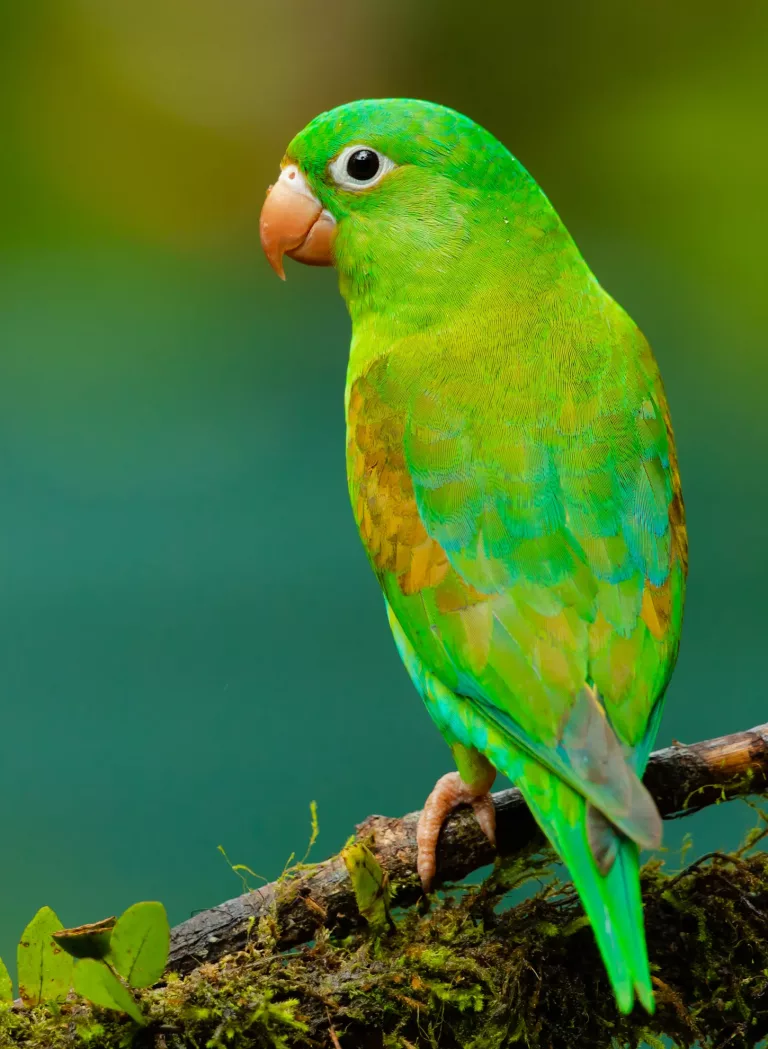
Birdwatching
Esteros del Iberá is a paradise for birdwatchers. Join a birdwatching tour to see colorful parrots, herons, storks, kingfishers, and various raptors. The park boasts an impressive diversity of bird species.
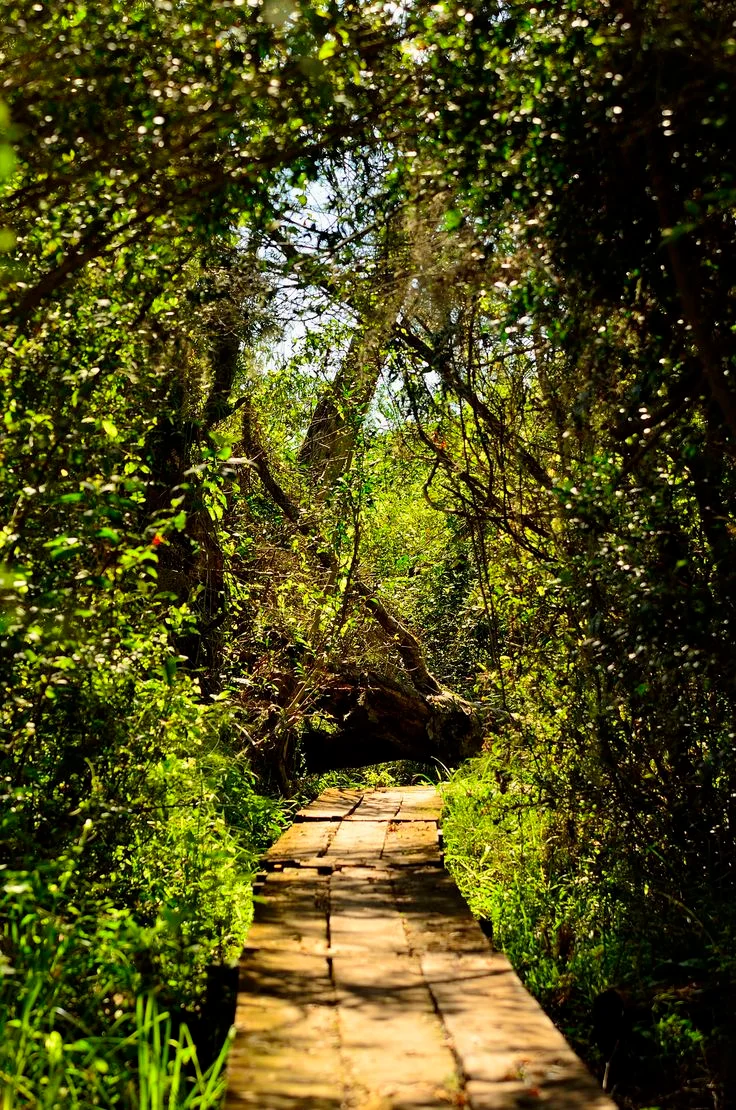
Hiking and Trekking
Explore the park’s trails and nature reserves on foot. Guided hikes offer opportunities for wildlife observation and plant identification while immersing you in the natural beauty of the area.
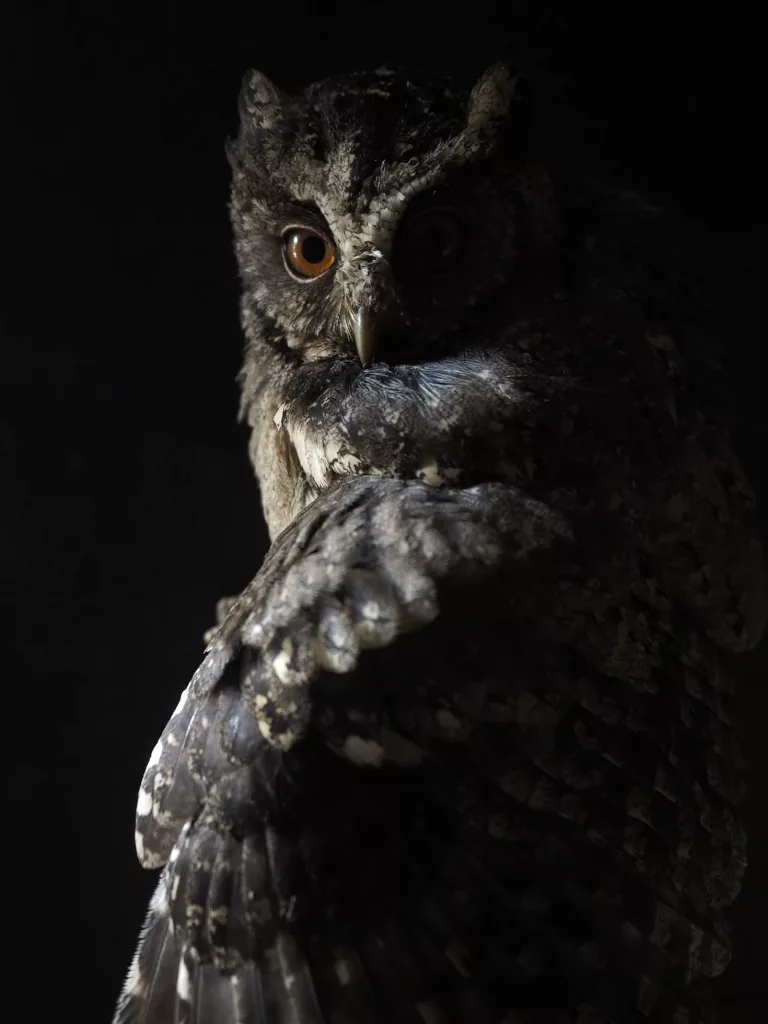
Night Tours
Night tours provide a chance to see nocturnal wildlife, including owls, nightjars, and caimans. The sounds and sights of the wetlands at night are a unique and captivating experience.
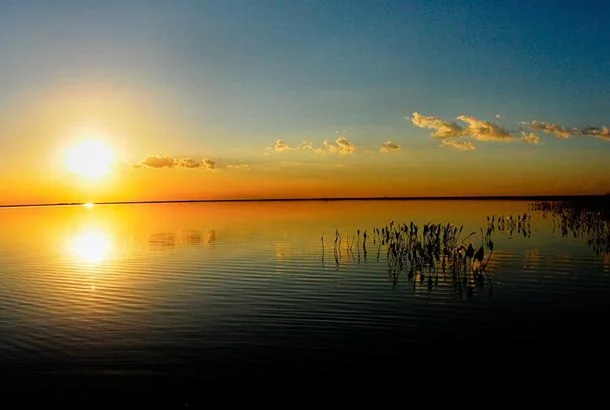
Canoeing and Kayaking
Paddle through the waterways of the Esteros del Iberá on a canoe or kayak tour. This allows for a peaceful and quiet exploration of the wetlands and is an excellent way to observe wildlife.
Photography Tours
If you’re a photography enthusiast, consider joining a specialized photography tour to capture the park’s stunning landscapes and its diverse flora and fauna.