Biodiversity and culture in the Pacific Ocean
Easter Islands & Galapagos (CHI- ECU)
Mysteries and keys of life in pacific ocean
The Pacific Ocean is the largest and deepest ocean in the world, and it contains thousands of islands and island nations.
The Latin American Pacific Ocean, also known as the Eastern Pacific, is home to several significant islands and archipelagos as Galápagos Islands and Easter Island.
These islands offer diverse natural beauty, wildlife, and cultural experiences for visitors, and they contribute to the region’s unique charm and appeal.
Contact us
Let’s plan toghether your next trip
Easter Island (CHI)
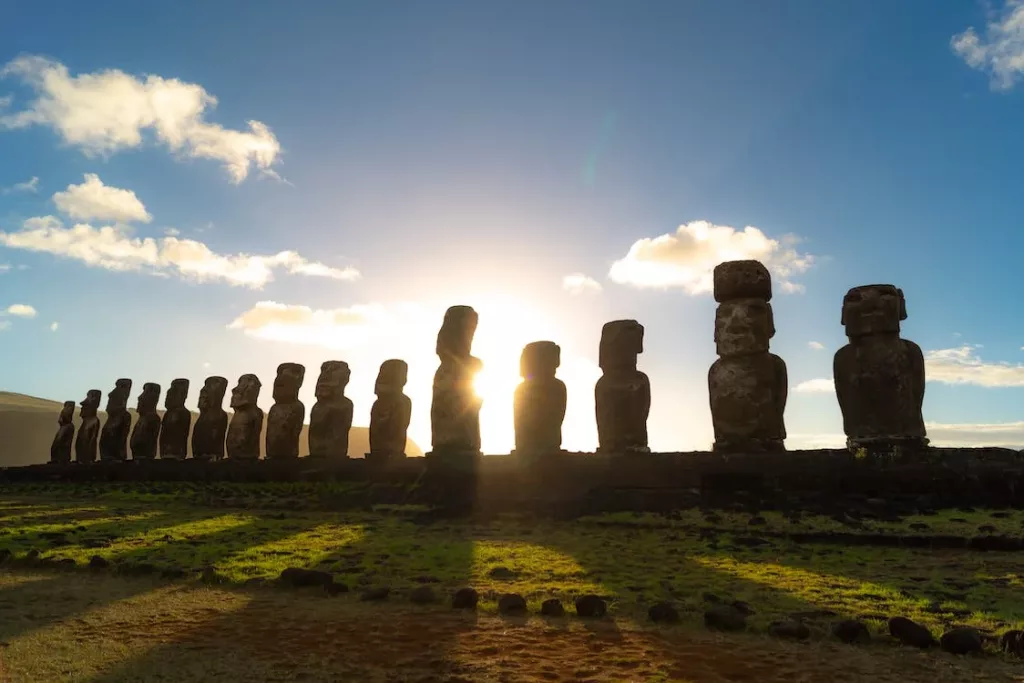
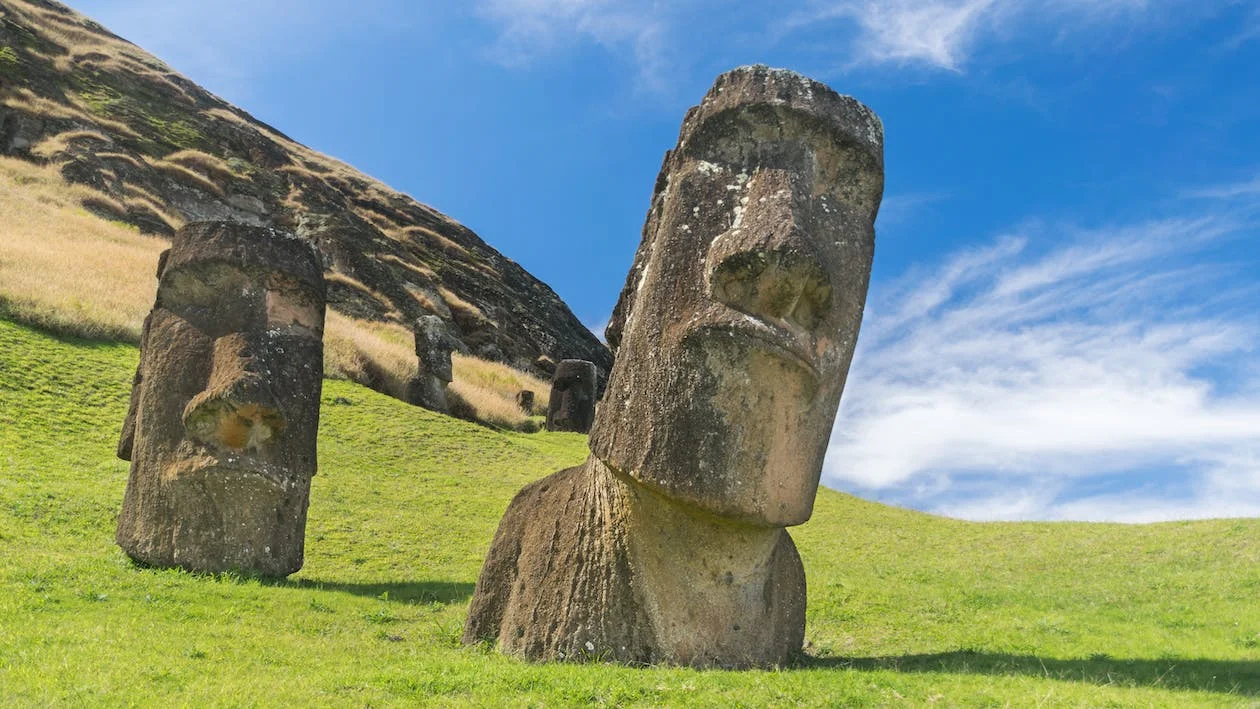
Easter Island, known locally as Rapa Nui, is a remote island located in the southeastern Pacific Ocean. It is a special territory of Chile and is famous for its iconic stone statues called moai. Easter Island is situated about 2,300 miles (3,700 kilometers) off the coast of Chile. Despite its isolation, it is part of Chile’s administrative region and is one of its farthest territories.
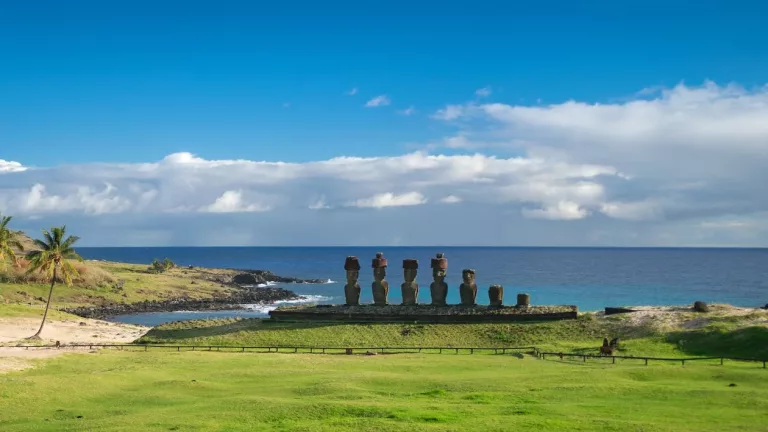
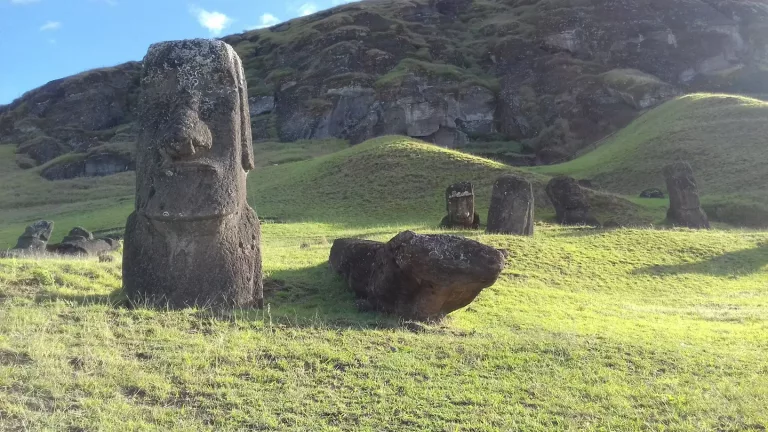
The moai statues are massive stone sculptures that were created by the indigenous Rapa Nui people. These statues are known for their large heads, elongated features, and enigmatic expressions. They were carved from compressed volcanic ash and tuff between the 13th and 16th centuries.
Easter Island and its moai statues were designated as a UNESCO World Heritage Site in 1995. The site is protected to preserve the island’s unique cultural and historical heritage.
The Rapa Nui people are the indigenous Polynesian inhabitants of Easter Island. They have a distinct language and culture, with moai and other stone structures being central to their history and beliefs.
Easter Island faces environmental challenges, including deforestation, soil erosion, and limited freshwater resources. These challenges are believed to have contributed to the decline of the Rapa Nui civilization.
Today, Easter Island is a popular tourist destination, attracting visitors from around the world who come to see the moai statues and explore the island’s natural beauty. Tourism plays a significant role in the local economy.
While Spanish is the official language of Chile, the Rapa Nui language, spoken by the indigenous inhabitants, is also recognized as an official language on Easter Island.
Easter Island’s remote location, ancient history, and the mystery surrounding the moai statues make it a captivating and unique destination for travelers and researchers alike.
What to visit?
Hanga Roa
Hanga Roa is the main town and the capital of Easter Island. It is located on the western coast of the island, along the Pacific Ocean. Hanga Roa is the largest settlement on Easter Island and serves as the primary gateway for tourists visiting the island.
Hanga Roa is the hub for essential services on the island. It has facilities such as a hospital, schools, banks, and a police station. The Mataveri International Airport, the island’s only airport, is also located nearby.
Hanga Roa is the focal point for tourism on Easter Island. It offers various accommodations, including hotels, hostels, and guesthouses, to cater to the needs of tourists who come to explore the island’s archaeological sites and natural beauty.
Visitors to Hanga Roa can enjoy a variety of dining options, including traditional Chilean and Polynesian dishes. Seafood is a popular choice due to the island’s location in the Pacific Ocean.
The town hosts various cultural festivals and events throughout the year, celebrating Easter Island’s unique heritage and traditions. These events often include music, dance, and traditional ceremonies.
Galapagos IslandS (ECU)
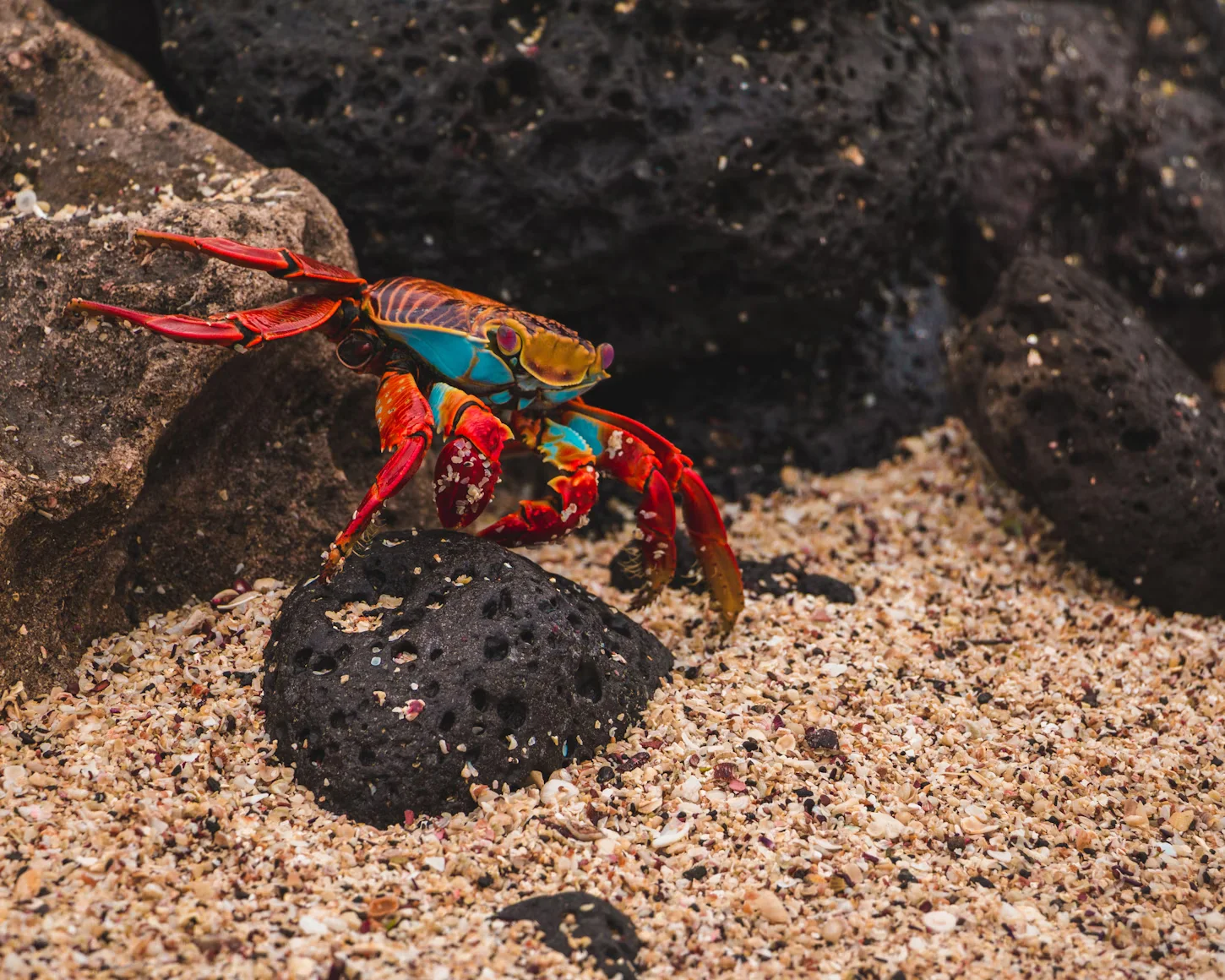
The Galápagos Islands, officially known as the Archipiélago de Colón, are an enchanting and ecologically significant group of volcanic islands located in the Pacific Ocean. They are a part of Ecuador and are situated about 1,000 kilometers (620 miles) west of the South American continent. The Galápagos Islands are renowned for their unique biodiversity, which played a pivotal role in Charles Darwin’s theory of evolution by natural selection.
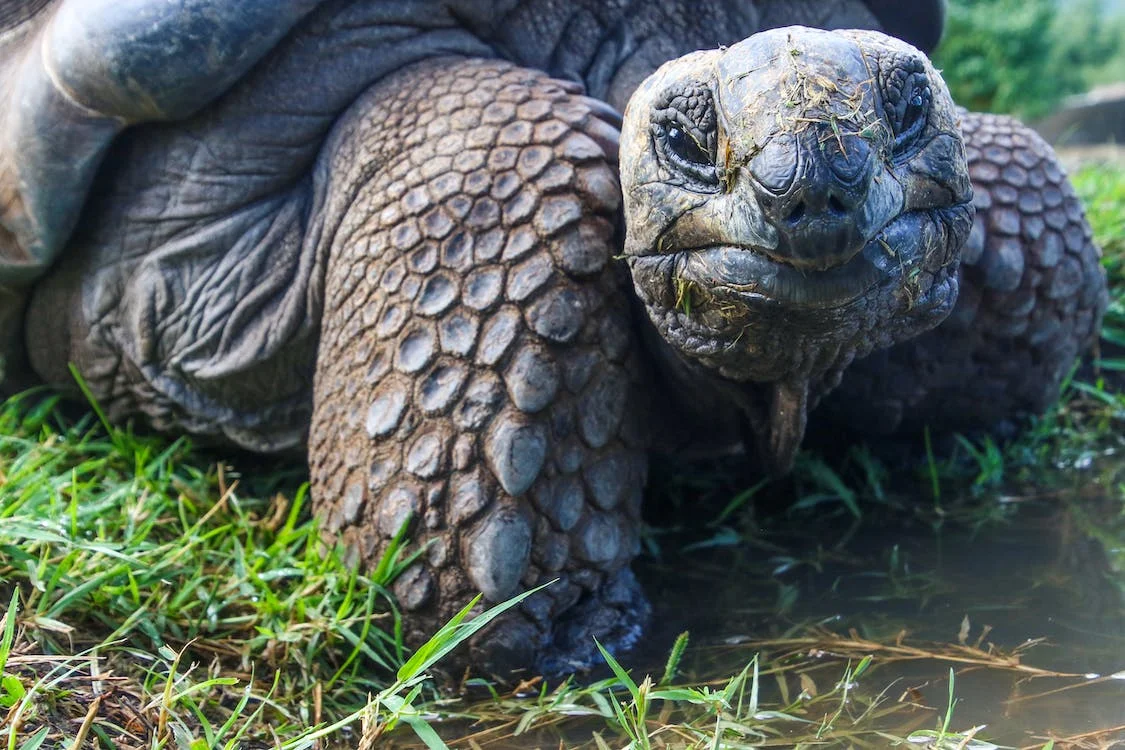
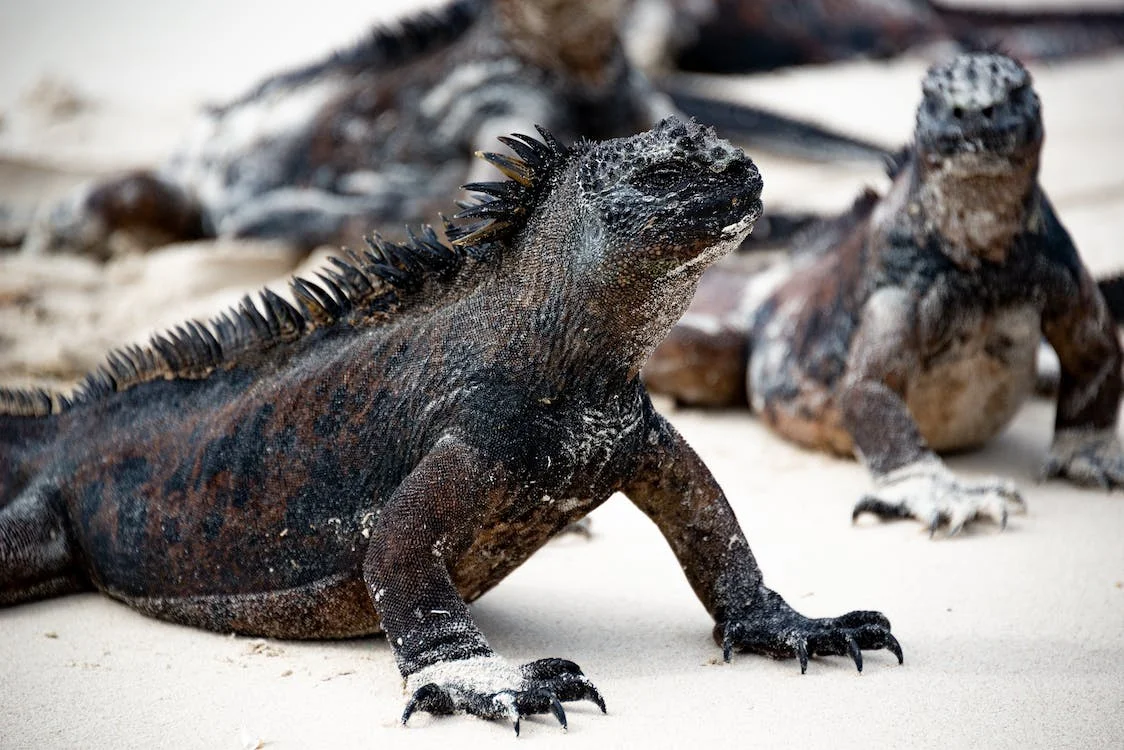
The Galápagos Islands are often referred to as a “living laboratory” due to their remarkable and diverse range of plant and animal species. Many of these species are found nowhere else on Earth. This includes the giant Galápagos tortoises, marine iguanas, blue-footed boobies, and flightless cormorants.
The Galápagos Islands are a UNESCO World Heritage Site and a popular destination for ecotourism. To protect the delicate ecosystem and biodiversity, strict conservation measures are in place. Visitors are required to follow guidelines to minimize their impact on the environment.
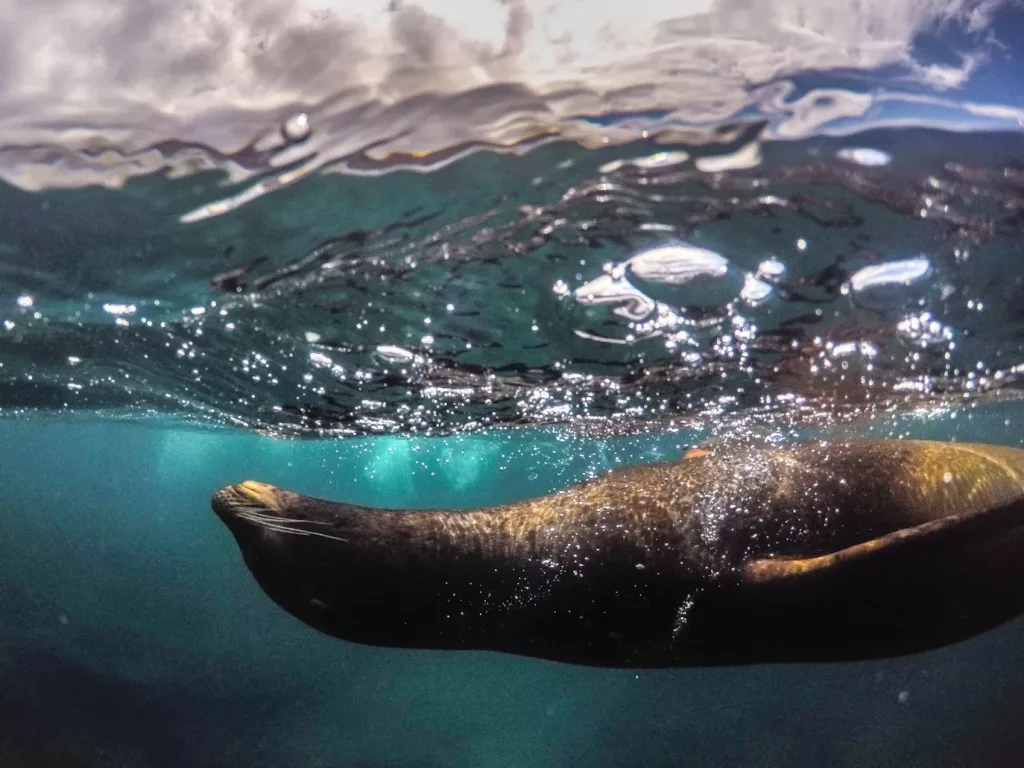
In addition to the iconic species mentioned earlier, the Galápagos Islands are home to a wide array of wildlife, including sea lions, penguins, fur seals, various species of sharks and rays, and a multitude of bird species. The islands also have diverse marine life, making them a popular destination for snorkeling and diving.
The Galápagos National Park, established in 1959, covers much of the land area and is responsible for protecting the islands’ natural resources and wildlife. Access to certain areas is restricted to minimize disturbance.
Visiting the Galápagos Islands provides a once-in-a-lifetime opportunity to witness a pristine and unique environment where wildlife has evolved in isolation over millions of years. It’s a place of great ecological importance and a testament to the wonders of the natural world.
What to visit?
Santa Cruz Island
Santa Cruz Island is one of the most visited and centrally located islands in the Galápagos archipelago. It is the second-largest island in the Galápagos and serves as a hub for tourists due to its strategic location, proximity to the airport on Baltra Island, and the presence of the town of Puerto Ayora, the largest human settlement in the Galápagos.
Puerto Ayora is the economic and tourism center of the Galápagos Islands. It is located on the southern coast of Santa Cruz and offers a range of accommodations, restaurants, shops, and services for tourists. It’s a bustling town where you can book tours, visit the Charles Darwin Research Station, and explore the local culture.
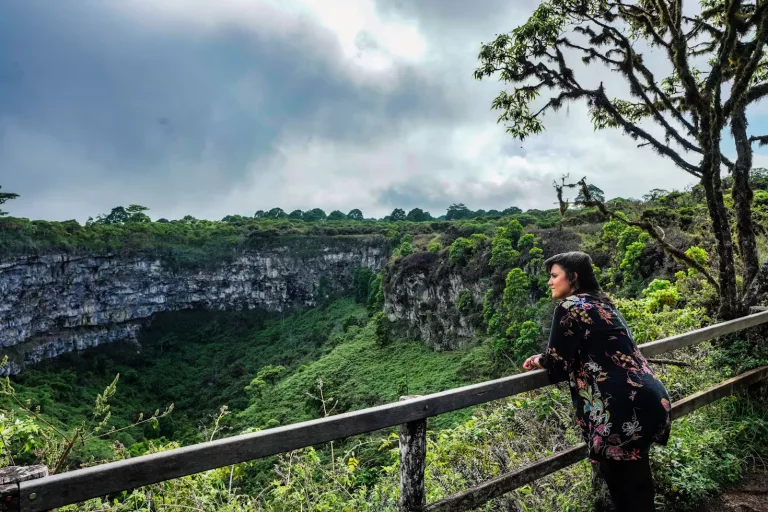
The highlands of Santa Cruz Island offer a different ecosystem compared to the coastal areas. Here, you can encounter giant Galápagos tortoises in their natural habitat. The lush green hills and misty forests provide a unique contrast to the arid coastal regions.
Santa Cruz Island is a popular starting point for many Galápagos itineraries, and it offers a wide range of activities and attractions for visitors interested in experiencing the unique wildlife and landscapes of the archipelago. Whether you’re interested in exploring the beaches, observing giant tortoises, or learning about the ongoing conservation efforts, Santa Cruz Island has much to offer.
Why people loves nave tours

 NMC
Verified
A Special Travel Agent During our family's trip to Chile and Argentina from December 2022 to January 2023, Mario Mellado from Nave Tours provided exceptional service. Mario promptly responded to our requests and worked with us to create a customized itinerary that included excellent guides and hotel accommodations. Even when we faced an unexpected airline disruption that required several changes to our plans, Mario quickly responded and efficiently reworked our itinerary. He also ensured that we received eligible refunds for prepaid hotel costs. Mario went above and beyond to make our trip enjoyable, demonstrating a high level of care for our family's needs. Overall, we highly recommend Mario and Nave Tours for their excellent service. TravelwagI highly recommend NAVE TOURS. I was struggling to book travel to Chile when I came across Chiara on a web search. I was reluctant to book with a company unknown to me, but after meeting face to face via WhatsApp with Chiara, my husband and I felt comfortable booking with her. She made excellent recommendations and saved us from spending time in undesirable locations. Chiara was exceptionally responsive and got back to me in a very timely manner as we worked to put an itinerary together. The 3 weeks went without a hitch. Incredibly all the tour guides and transfers arrived exactly as planned. The tours were all with English speaking guides and excellent. I can’t recommend this company enough. In regards to the payment, Nave suggested using WISE money transfer. This was a leap of faith for me as I was not familiar with this platform. The fees are exceptionally low for transfers. I took the plunge and hoped for the best and again, this payment method worked well. If we travel in South America again I will be booking with Nave Tours.
 AHMEDTailored trips by Mario(Nave Tours) Mario arranged everything in my trip from A to Z tailored on my requirements, and given attention to details based on previous trips which he arranged(like in what are my accommodation preferences, duration of stays, private transportation , etc.). In addition, the people who pick me up from airport are always English speakers, friendly and besides they are locals. So they explain detailed history of the places visiting and also offering any sort of support needed. I only rely on Mario for my Central/South American countries, highly recommended!!
 Erin PDefinitely worth hiking Aguas de Ramon in Santiago We used nave tours to hike Aguas de Ramon outside of Santiago! He booked a guide for us that arranged communication, pick up, drop off, park fees, and info. Our guide was wonderful and very accommodating. He carried our extra water and let one of us use his hiking stick. It would have been a much less enjoyable hike without his presence!
 Marian SMade to feel special I travelled solo to Chile in February 2020. I booked an Antarctic Cruise leaving from Punta Arenas and wanted activities on either side of the cruise dates that would give me a fair view of what Chile is like. After months of exploring ideas, available tours and costs I despaired at finding anything suitable that did not involve paying a single supplement for accommodation or space on a tour. I Googled for travel agents with specialised knowledge of Chile and asked for help in securing single-priced accommodation in specific places. Only one agent responded - Nave Tours. Within no time Mario and I agreed on places and activities. He gave valuable input on my ideas and was accommodating in my wish to experience the Mapuche culture. His arrangements here exceeded my expectations.Two weeks before I was due to leave for Chile my Antarctic cruise was cancelled, leaving a gaping hole in my itinerary. Within three days of asking Mario to help fill the gap and expand the range of places to see, it was all finalised and paid for. He extended my scope to include the desert area around La Serena because he knew I'd be interested in indigenous culture. This was a superb idea.The logistics of travel went off without a hitch. Where travel time was long he ensured that my driver was English speaking so I could have conversations about Chile, its culture, history and current tensions. Every plane was met. Each hotel booked without complications on arrival or departure.Mario's email responses to my queries from the far side of the Atlantic at all hours made me feel he didn't sleep much and that I was the only client who mattered. I felt super safe in his hands. I could relax and enjoy my holiday.
 Esther Ctrip of a lifetime i was googling for agents who could plan a trip to patagonia that would cover 1) all the places i wanted and 2) for the dates that i could travel. loads of agencies out there but nothing that fit my bill or wallet. stumbled across Nanook, which is essentially a matchmaker between you and one of their agents local to the place you want to go, and that’s how i met Mario of Navetours. Mario’s emails may come across curt at first, but i realised that’s just how he phrases things. almost every email i sent was promptly replied to, and with the information i needed. as a solo female, i had loads of questions and concerns about my safety, but Mario was able to put me at ease. when the protests in santiago broke out, he also kept me updated and even offered to change hotels for me to a suburb that was safer and further away from the protests. the tours that he arranged for me were great. i enjoyed myself immensely travelling to south patagonia, tierra del fuego and atacama. the pace was just nice and the people i’ve met were great and friendly too! whatever activities and hikes i wanted to do, mario was able to recommend the right ones. if there’s one that was slightly economically unsound, Mario also made sure that i know before i make any commitment.we kept in constant contact throughout my trip using WhatsApp, which was great for when there’s any issue. the only qualm i had was with the Keoken Hostel; the staff was aloof and even grumpy when they realised i was right and had a reservation with them - when it was actually their staff who forgot to key it in after receiving payment months ago. i’m sure there’re way better accommodations in Punta Arenas. in any case, i would highly recommend Mario and Navetours if you’re heading to Patagonia!Monika MGreat service and professional partner. Great service for our travel agency's client from Poland. Nave Tours organized a tailor made trip lasting over 3 weeks including Argentina, Uruguay and Brazil. The cooperation was fantastic and very professional on each step - from planning till the end of guest's trip. Great people, very helpful and perfect organization. An unforgettable experience for our client. We are looking forward to working with you again.
 Ida Elise TPeru and Bolivia Very good service and help to create the perfect in Peru and Boliva. Included all the highlights we wanted to see and made a program that was easy to understand and where all the details were included.
 joeymantuaAmazing tour guide and enriching cultural experience I went on a study abroad trip with my school visiting Santiago (Chile), Valparaiso (Chile), and Buenos Aires (Argentina). My group's tour guide Mario was personable, informative and great at planning activities. Not only did he take us to great restaurants and tourist attractions but he also provided us with recommendations for when we had nothing planned. Mario's dedication to our group was incredible and he definitely left a positive mark on me and my whole group.
 ChristinaAn unforgettable experience. For two weeks, I as well as 19 of my peers went on a study abroad trip to Santiago, Chile and Buenos Aires, Argentina with Mario as our tour guide. This was my first time ever traveling out of the United States and everything was EXCELLENT. Mario truly made it an unforgettable experience. He was always patient with our group, made sure everything was scheduled accordingly, and was able to bounce back and work quickly to resolve any bumps that came along. His outgoing and caring personality made the trip even more enjoyable, and I was genuinely sad to see him go when our trip was over.
HAVEN’t decided yet?
Let our experts help. Contact us and let’s plan toghether your next trip.
Things not to miss when visiting islands of Pacífico ocean
Mystery of Moais, biodiversity & sea life.
Moai Sightseeing Tours
Orongo Village
Rano Kau Volcano Tours
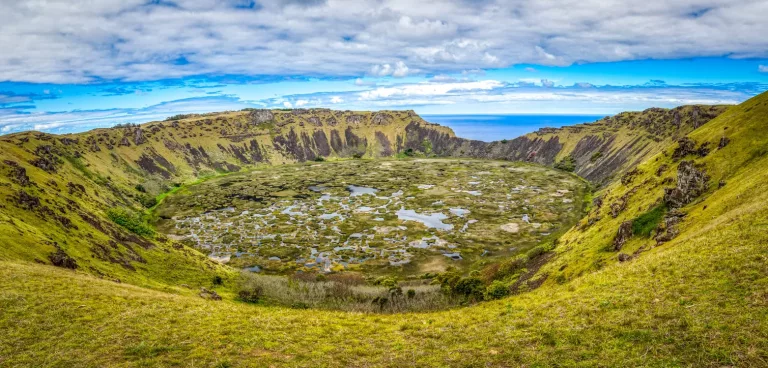
Rano Kau is one of the island’s three extinct volcanoes and offers hiking opportunities. Guided tours can take you to the crater’s edge, where you can witness stunning views of the crater lake and the surrounding landscape.
Ahu Akivi
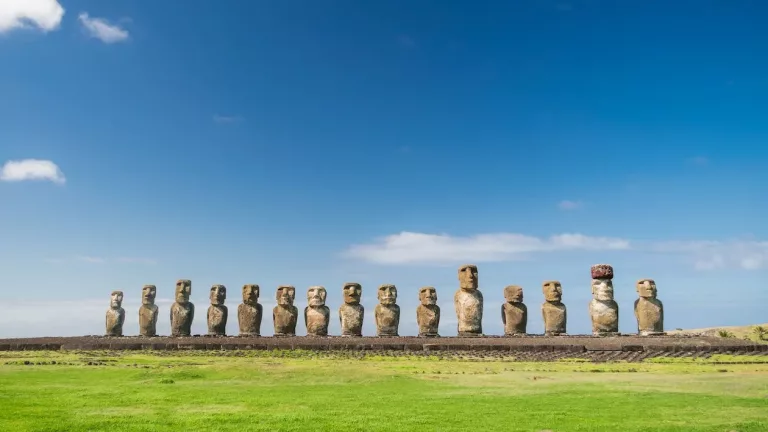
These Moai are unique because they face the sea rather than inland. Tours to Ahu Akivi will introduce you to the legend of the seven explorers who are said to have been the first settlers on the island.
Cave Tours
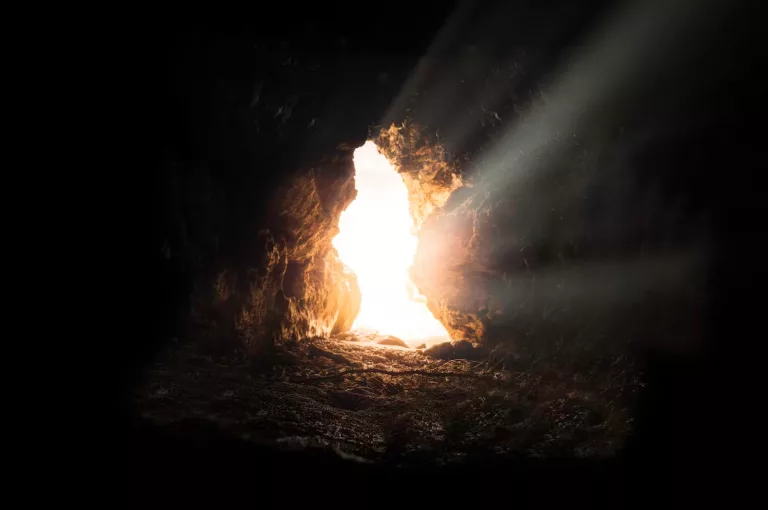
Easter Island has several lava tube caves, and guided tours can take you inside these natural wonders, such as Ana Kakenga (also known as the “Two Windows Cave”) and Ana Te Pahu.
Sunset Tours
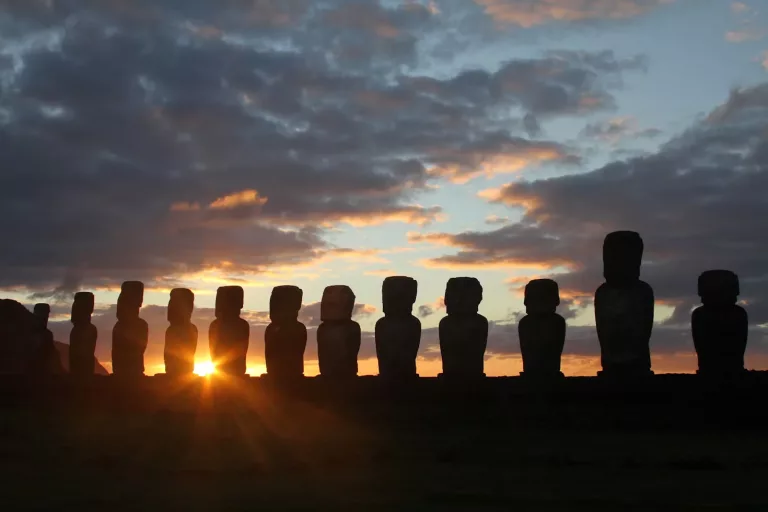
Witnessing the sunset on Easter Island can be a magical experience. Many tours offer sunset viewing at key locations, such as Tahai Complex, where Moai statues are beautifully lit by the setting sun.
Stargazing Tours
Due to its remote location, Easter Island is an excellent place for stargazing. Guided stargazing tours allow you to observe the southern hemisphere’s night sky, including constellations not visible from northern latitudes.
Cultural Tours: Immerse yourself in the local culture with tours that focus on Rapa Nui’s history, traditional music and dance performances, and interactions with the island’s inhabitants.

Scenic Hiking Tours
Easter Island offers various hiking trails, from coastal paths to treks that take you to lesser-known archaeological sites. Guided hikes provide valuable insights into the island’s history and nature.
Cruises
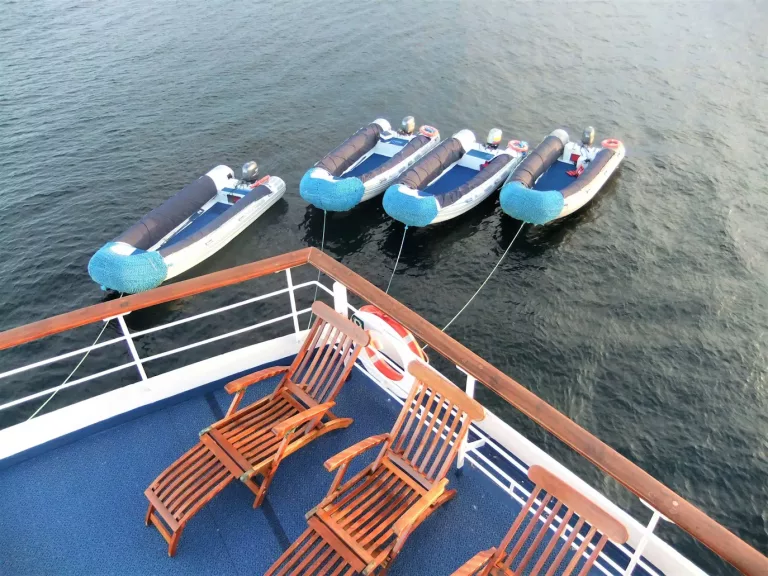
Galápagos cruises are one of the most popular ways to explore the islands. These cruises range from luxury to budget options and typically last from a few days to two weeks. Aboard a cruise ship or yacht, you’ll visit multiple islands, each with its unique wildlife and landscapes. Cruises include guided excursions on land, snorkeling, and other activities.
Island-Hopping Tours
Island-hopping tours are a more budget-friendly alternative to cruises. These tours allow you to stay on one of the inhabited islands (like Santa Cruz or San Cristóbal) and take day trips to nearby islands. This option is ideal if you want to experience the Galápagos on a lower budget.
Diving Tours
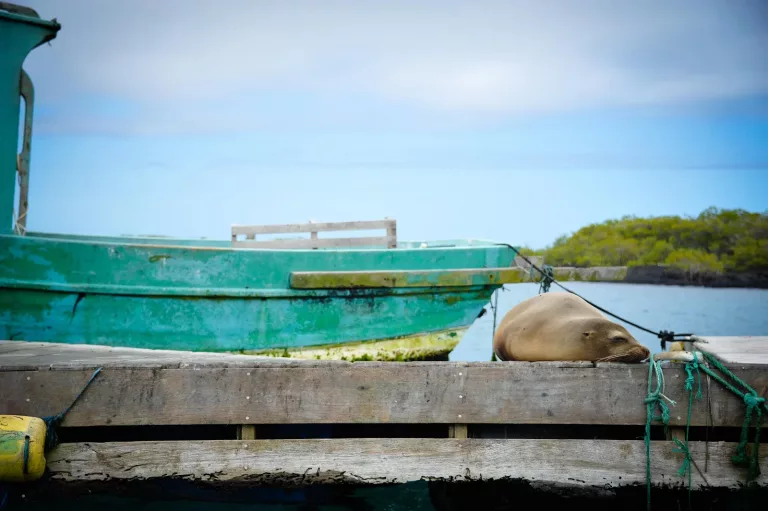
The Galápagos Islands are a renowned diving destination, offering opportunities to see marine life like sharks, rays, sea lions, and more. Diving tours cater to divers of all skill levels, from beginners to experienced divers. The most famous dive sites include Wolf and Darwin Islands.
Snorkeling Tours
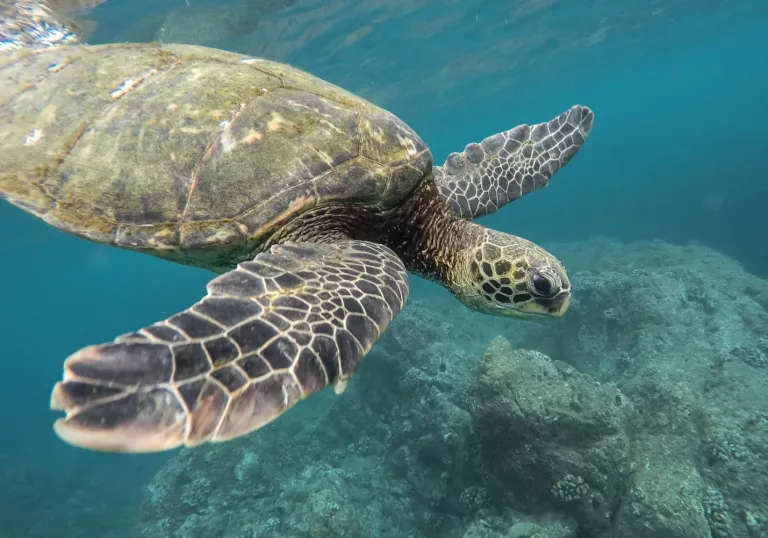
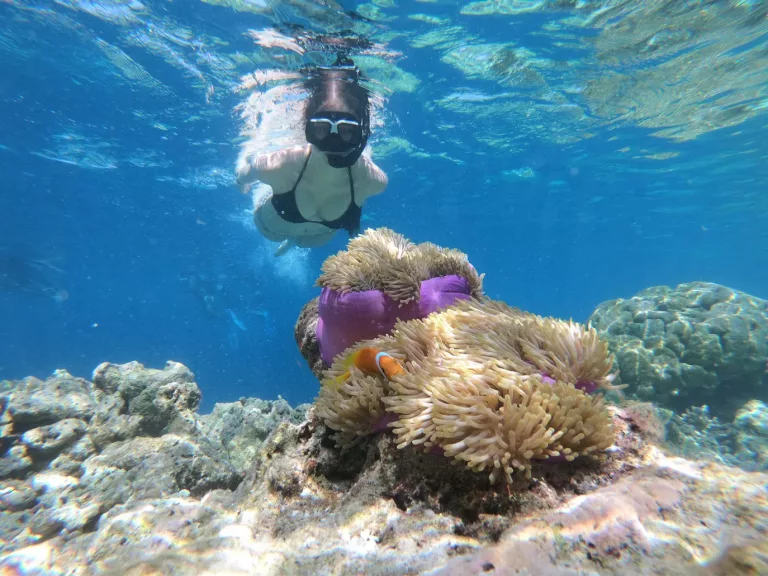
Snorkeling tours are widely available and are a great way to observe marine life, such as colorful fish, sea turtles, and playful sea lions. Snorkeling gear is typically provided as part of the tour.
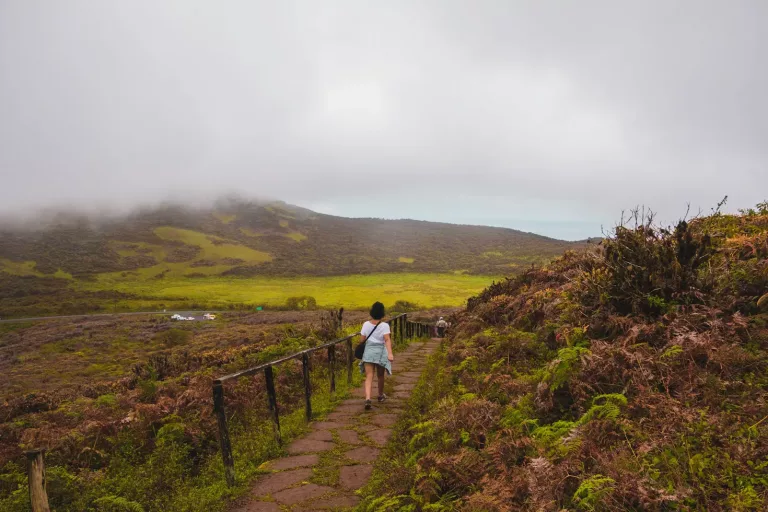
Hiking Tours
Many of the islands offer hiking opportunities to explore their unique landscapes, from volcanic craters to lush highland forests. Guided hiking tours provide insights into the flora and fauna of the islands.
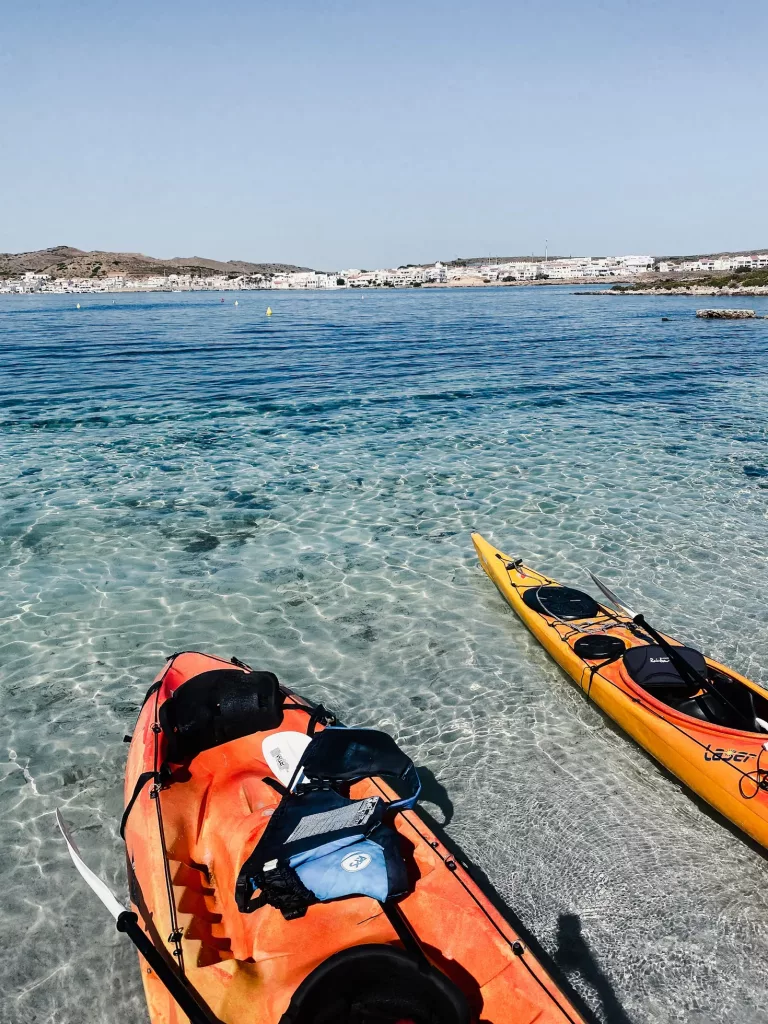
Kayaking Tours
Some tours offer kayaking experiences along the coastlines of the islands. This allows for a close encounter with wildlife and exploration of secluded coves and beaches.
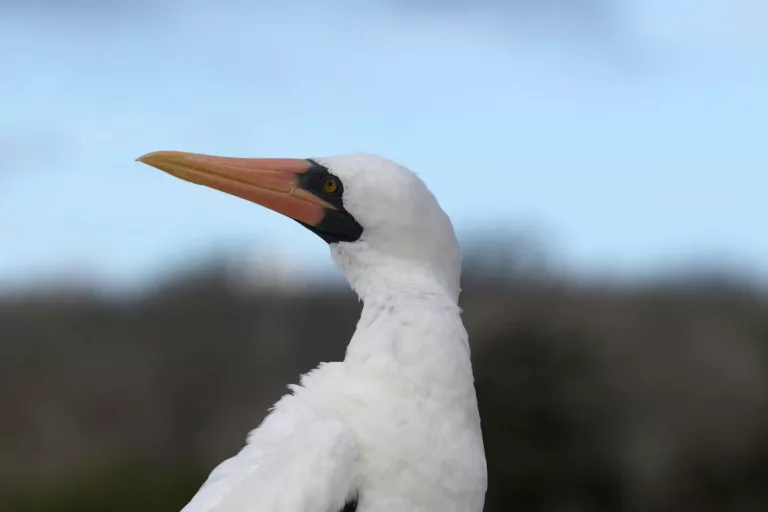
Birdwatching Tours
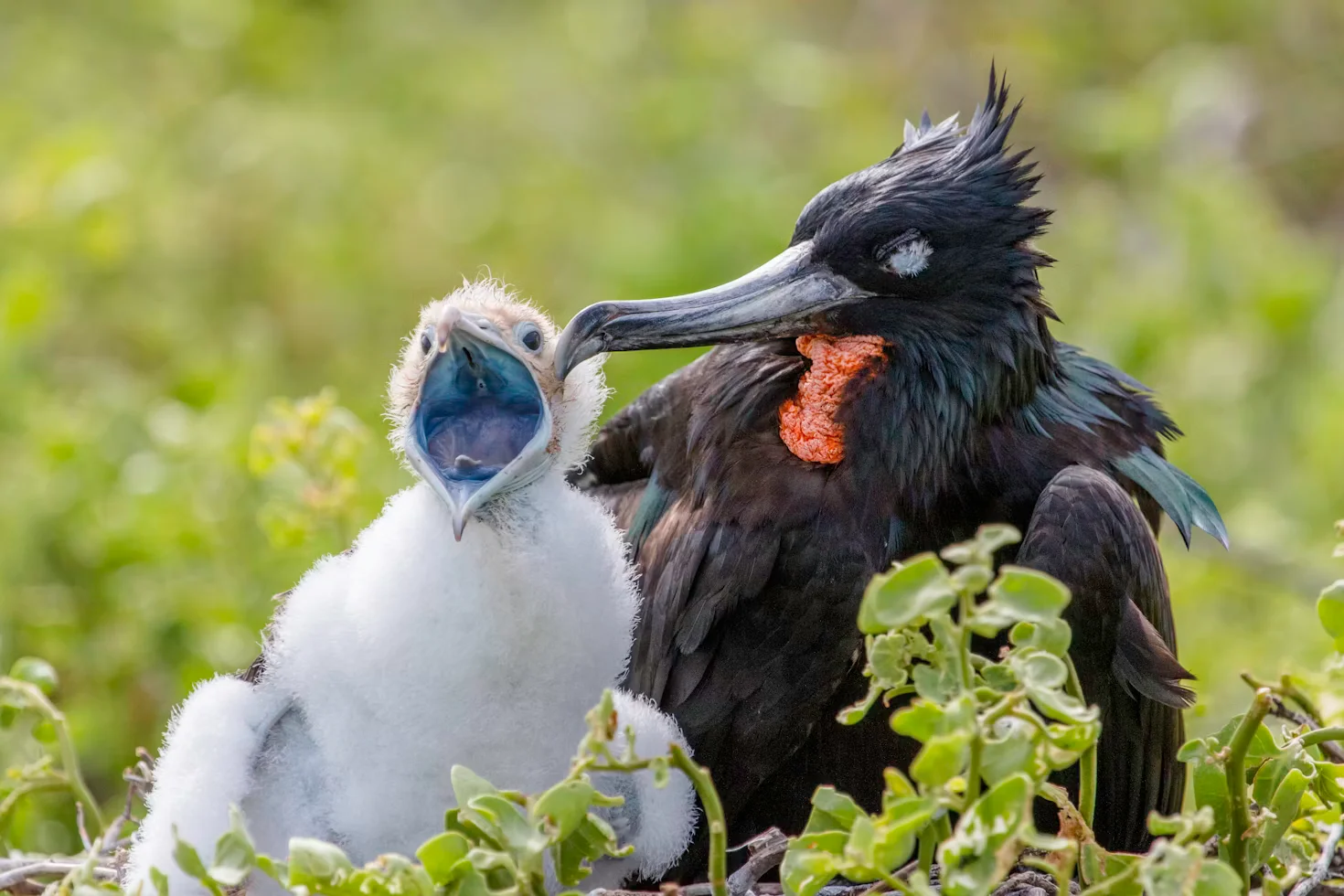
Birdwatchers will delight in the opportunity to observe the islands’ unique bird species, including the blue-footed booby, waved albatross, and frigatebirds. Birdwatching tours often include stops on specific islands known for their avian populations.
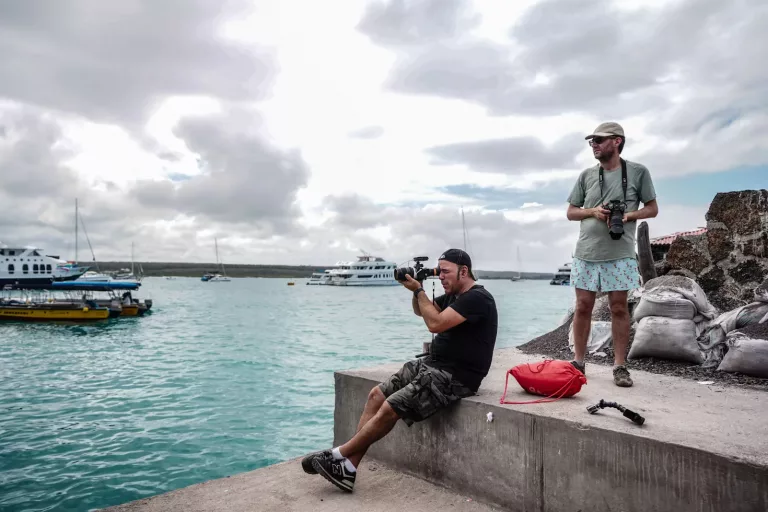
Photography Tours
For photography enthusiasts, specialized photography tours provide the chance to capture the incredible landscapes and wildlife of the Galápagos with guidance from experienced photographers.
Educational Tours
Some tours focus on the educational aspect of the Galápagos, offering insights into Charles Darwin’s theory of evolution, the ongoing conservation efforts, and the unique natural history of the islands.